Grail Beginner's Guide: How to Build a Deck That Wins Fights on Its Own
Sokpop Collective's autobattler deckbuilder Grail launched September 1. Here's how upgrades, traits and hero picks actually decide your fights.
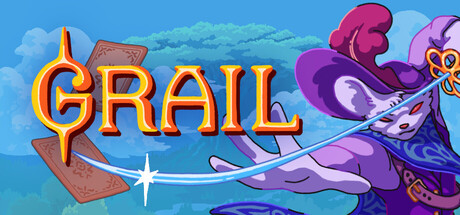
Grail, the autobattler deckbuilder from Dutch studio Sokpop Collective, launched on Steam on September 1 after a Steam Next Fest demo drew more than 16,000 players. The pitch is simple to say and harder to master: you build a deck, then watch it fight without touching a single card mid-battle. Every real decision happens beforehand, in the fifteen-to-forty-five-minute gaps between fights where you upgrade, enchant and stack cards into something that can win on its own. Here is what the tutorial glosses over and what actually decides whether your deck survives its climb toward the Grail.
What "autobattler deckbuilder" means here
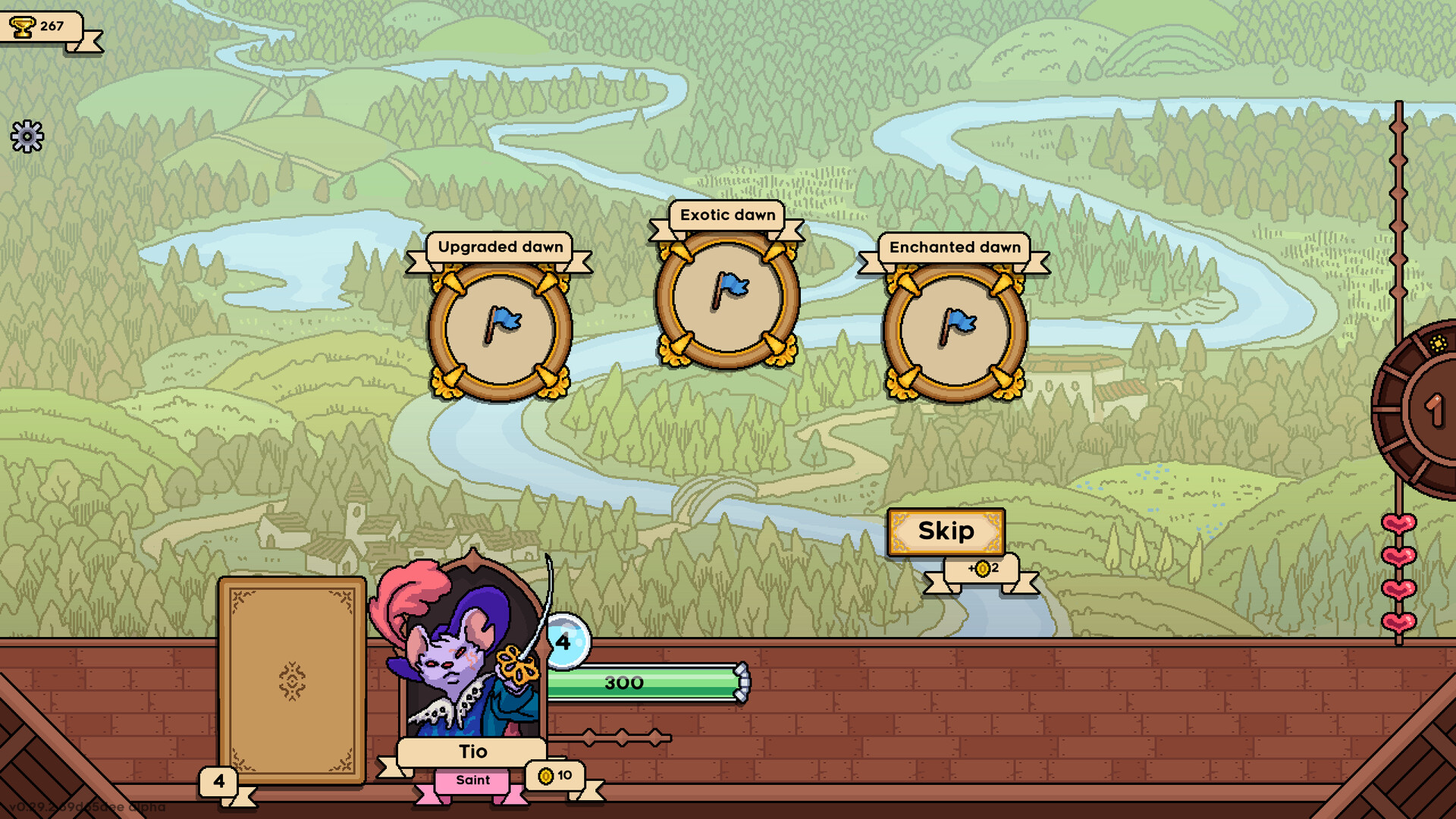
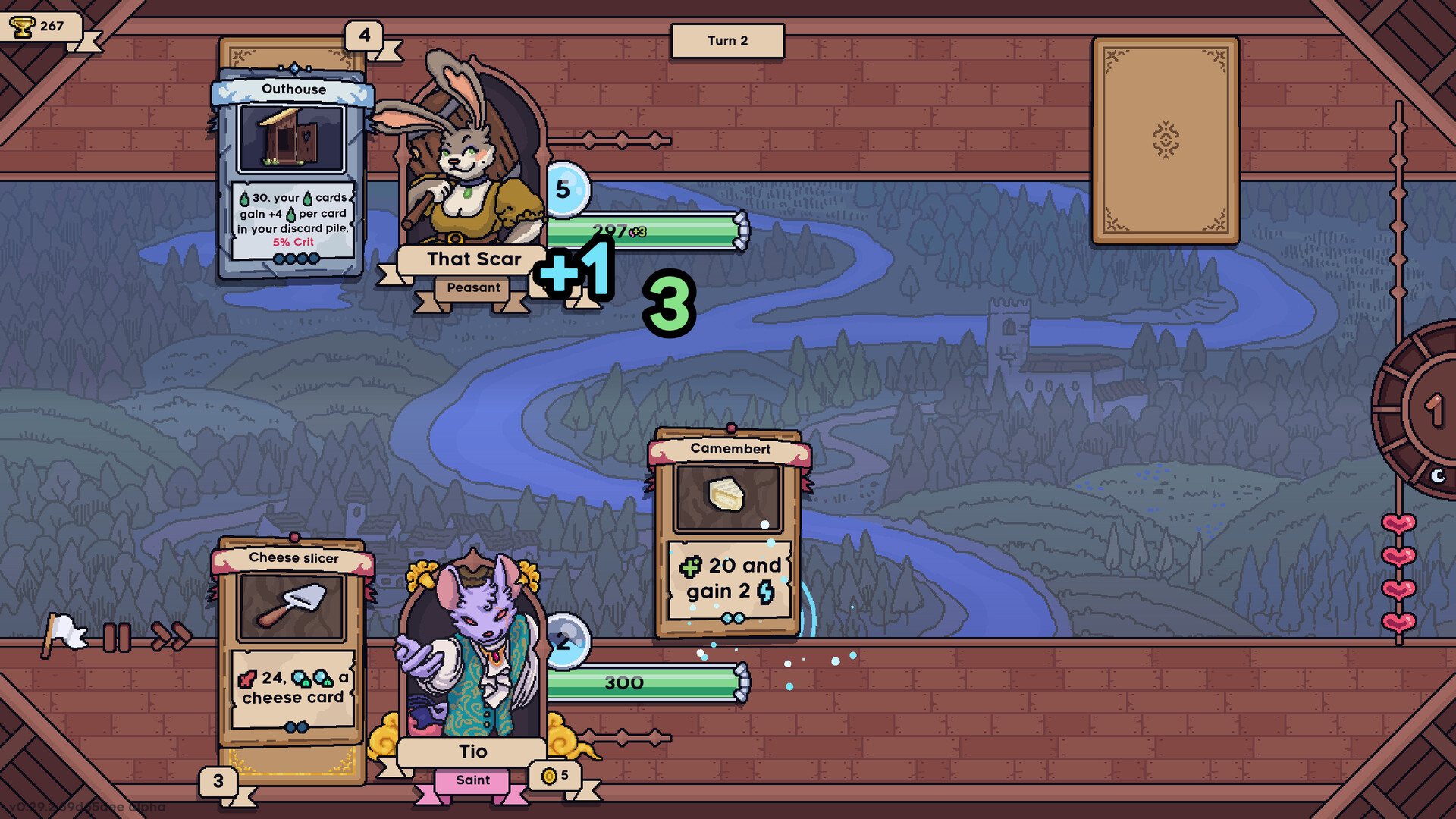
Grail splits neatly into two modes that never overlap. During a fight, your deck plays itself in a fixed order, card by card, against whatever the monster or opposing player has queued up. You cannot pause, reorder or intervene once the fight starts. All of the skill lives in the build phase between fights, where you draft new cards, spend resources on upgrades, and decide which of your existing cards to cut. Because the fight itself is deterministic once it begins, small changes to card order or a single new enchant can flip a loss into a win, which makes the build phase far more consequential than it looks on a first run.
Runs are short by design. Sokpop built Grail around 15-to-45-minute sessions rather than the hour-plus runs common in Slay the Spire-style deckbuilders, and losing a fight does not always end the run outright, since the meta-progression around trophies and unlocks persists across attempts.
Pick a hero for the cards you want, not the portrait you like
Grail's roster grows over time, and each hero starts with a distinct pool of cards and a different playstyle rather than a shared deck with a reskin. A new player's first real decision is which starting hero to run, and that choice locks in the kinds of synergies available for the whole session. Rather than picking whichever hero looks strongest in isolation, look at what its starting cards are already trying to do — a hero leaning on repeated small hits wants different upgrades than one built around a handful of high-value strikes — and draft toward that plan instead of grabbing generically "good" cards as they appear.
Trophies earned from wins unlock additional characters and cosmetics permanently, so an early loss with an unfamiliar hero is not wasted; it is still progress toward unlocking the rest of the 250-plus card pool spread across the roster.
Upgrade, enchant, stickerize: the three ways a card gets better
The core loop Sokpop keeps repeating in its own materials is "collect, upgrade, enchant, stickerize," and each verb does something distinct:
- Upgrading a card strengthens its base numbers — more damage, more block, faster cooldown — without changing what it fundamentally does.
- Enchanting attaches a modifier that changes behavior, such as adding a status effect or a conditional trigger, turning a plain attack into something that synergizes with the rest of the deck.
- Stickering is the most build-defining of the three: stickers attach small bonus effects to individual cards, and stacking stickers that share a theme (damage-over-time, healing, card draw) is how a deck goes from "fine" to "wins on its own."
New players tend to spread upgrades evenly across their whole deck. That is a mistake once the game gets past its early fights — a smaller deck of four or five heavily stickered, enchanted cards consistently outperforms a bloated ten-card deck of half-upgraded ones, because Grail's automatic playback means every card in the deck fires every fight, and weak cards dilute your good ones instead of adding to them.
Traits are where the real synergy lives
With more than 100 traits in the full release, trait-hunting is arguably more important than card rarity. Traits are passive bonuses, sometimes tied to a specific card type and sometimes tied to hero identity, and they compound: two traits that both boost the same damage type multiply rather than simply add. Before taking a new card during a draft, check whether it feeds an existing trait you have already committed to. A card that looks weak on its own can become the best pick in your draft pool if it triggers a trait you already stacked twice.
Secret events, which appear irregularly between fights, are one of the few ways to pick up traits or cards outside the normal draft flow, and they are worth detouring for even at the cost of a slightly longer run, since they are one of the few sources of lore fragments as well as build-defining rewards.
PvP and trophies never really stop
Grail layers asynchronous PvP on top of the solo run structure: once you finish a run, your deck becomes an opponent that other players can face in their own games, so the mode keeps producing matches even without anyone playing live at that exact moment. Wins against both monsters and other players' saved decks earn trophies, which are the game's only currency for unlocking new heroes and cosmetic rewards — there is no separate premium currency to grind or buy. That makes trophies worth prioritizing over exploring every possible detour in a run; a shorter, more focused fifteen-minute run that ends in a win is worth more toward unlocks than a slower, more thorough one that ends in a loss just short of the final fight.
Quick tips for your first few runs
- Commit to a trait direction by your second or third draft pick rather than staying generalist — Grail rewards narrow, stacked builds over balanced ones.
- Cut cards actively. A deck that only grows never gets access to enough stickers and enchants per card to compete later in a run.
- Treat your first few runs with a new hero as scouting, not as attempts you need to win — losing still banks trophies and reveals what that hero's card pool wants to do.
- Check the achievement list in-game before you assume a strategy is dead; several of Grail's 23 achievements point at specific hero-and-trait combinations the developers consider worth chasing.
Sokpop's own launch trailer, embedded below, runs barely a minute and is mostly gameplay footage of exactly this loop in action — drafting, stickering and watching a fight resolve — which is a faster way to see the systems described above than reading about them.
Where to go from here
Grail is $9.99 on Steam for Windows and Mac, supports achievements and cloud saves, and Sokpop has a track record of continuing to patch and expand its monthly-release catalog rather than abandoning titles after launch, so expect the trait and hero pools described here to keep growing. The official Sokpop FAQ is the best place to check before assuming a bug is intentional design, since the collective documents its support policies there directly rather than through a separate publisher.
Official links
Sam writes about small studios and the games they ship against the odds, and turns the hardest parts of them into guides that get to the point.