Xbox Revenue Keeps Sliding as Microsoft Folds It Into a New Earnings Segment
Microsoft's latest earnings fold Xbox into a new Devices and Consumer segment, where content and services revenue slipped 2% and hardware figures vanished entirely.
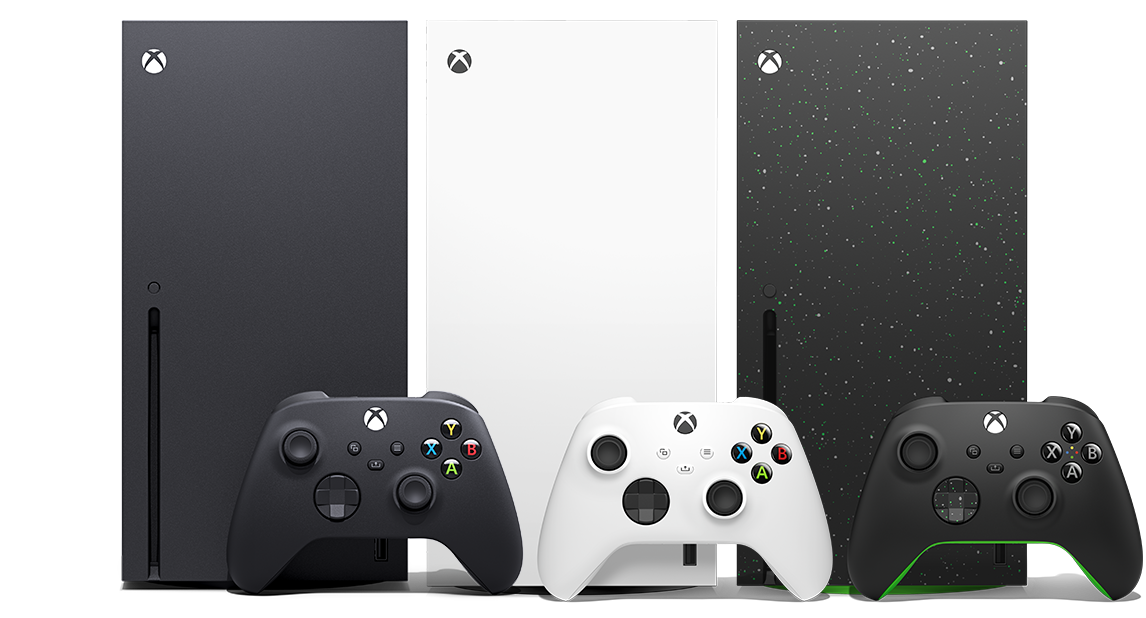
Microsoft closed its books on the quarter that ended September 30 with a headline that had nothing to do with games: $92.3 billion in company-wide revenue, up 19% year over year, powered by Azure and the rest of its cloud business. Further down the fiscal first-quarter earnings release, published after markets closed on October 28, sits a smaller and less triumphant line. XBOX content and services revenue fell 2% for the quarter, to $5.38 billion from $5.51 billion a year earlier, and for the first time it is reported inside a segment that did not exist twelve months ago.
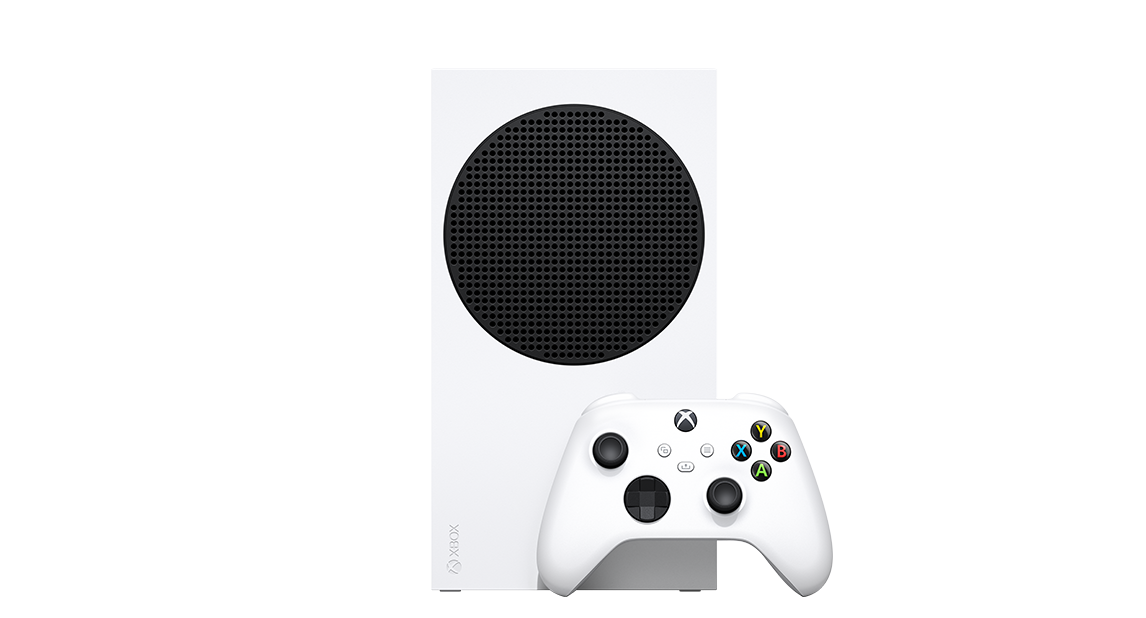
Where Xbox lives now
Microsoft has reorganized its financial reporting around two segments: Agents and Infra, which houses Azure, AI and its cloud infrastructure business, and Devices and Consumer, a catch-all that now covers Windows OEM licensing, search and advertising, and Xbox. The change was announced in September 2026, and this is the first quarterly release built entirely on the new structure, with prior-year figures restated to match. Devices and Consumer brought in $15.5 billion for the quarter, down 3% year over year, with Windows OEM and devices revenue falling 22% and search and advertising revenue (excluding traffic acquisition costs) climbing 12%. Xbox's content and services line was the only entry in that mix that barely moved, slipping just 2%, or 1% at constant currency.
A console figure that disappeared
What's missing is as notable as what's there. In recent quarters, Microsoft broke out Xbox hardware revenue on its own line and reported double-digit declines as console sales cooled. This release does not mention hardware at all, Xbox or otherwise. The "content and services" figure, which covers subscriptions, first-party and third-party software sales and advertising, is now the only Xbox number Microsoft discloses in its headline materials, folded into the broader Devices and Consumer total alongside Windows and search. Investors wanting a console-sales-specific figure will need to wait for the 10-Q filing or a future call where an analyst asks directly.

The backdrop: a leadership change and a reset
This is the second full quarter under Asha Sharma, who became chief executive of Xbox in February 2026 after Phil Spencer's retirement, having previously run Microsoft's CoreAI product group rather than any part of gaming. Sharma inherited a business that closed fiscal 2026 with full-year Xbox revenue down and a round of roughly 3,200 planned job cuts across the division, alongside the sale or closure of several internal studios. Microsoft's leadership has repeatedly framed fiscal 2027 as the year Xbox should return to growth; this quarter's 2% content-and-services decline is a far smaller drop than the double-digit figures posted a year ago, which is the closest thing to supporting evidence either side of that argument has produced so far.
Reading the numbers next to the rest of the company
The contrast with the rest of Microsoft is stark by design. Agents and Infra revenue grew 25% to $76.8 billion, and commercial remaining performance obligation, Microsoft's measure of future contracted revenue, rose 73% to $677 billion. Against that growth, a gaming business generating roughly $5.4 billion in content and services revenue every three months looks like a rounding error on the corporate scoreboard, even though it remains one of the three largest console platforms on the planet. Folding Xbox into a segment that also includes Windows licensing and search advertising makes it mathematically harder for outside observers to track the business in isolation going forward, regardless of Microsoft's stated reasoning that the change reflects "the way we internally manage and monitor our business."
What to watch next
The real test of Sharma's turnaround arrives in the current quarter, which covers the holiday shopping season and the November 6 launch of Call of Duty: Modern Warfare 4's first full content season on Xbox Series X|S and PC. A busy software slate, even without a fresh console-hardware push, is Xbox's best shot at translating this quarter's smaller decline into the growth Microsoft has promised investors for fiscal 2027. The next data point arrives when Microsoft reports fiscal second-quarter results in late January, by which point the holiday numbers, and whatever is left to say about Xbox hardware specifically, will be impossible to avoid.
Official links
Lena tests the hardware that games run on, from handheld thermals to controller latency. If a spec sheet is doing something suspicious, she has already opened the device.