BloomKeeper Beginner's Guide: Taming the Scorched Zones With Your Pouics
BloomKeeper launched September 16 with a co-op colony-management loop where corruption spreads back in behind you; here is how new Guardians keep their Pouics alive.
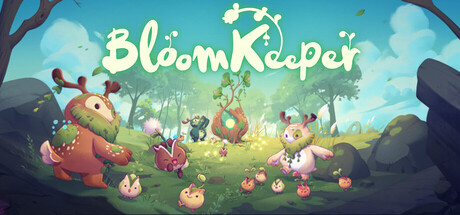
BloomKeeper arrived on Steam on September 16, and it drops new Guardians into a job with no ramp-up: bring a dying island back to life while the fire that killed it keeps trying to take it back. Resonance Interactive's debut game casts you as the shepherd of the Pouics, small curious creatures who restore the scorched island of Hedera to green as they travel across it, alone or with up to three friends. The pitch sounds cozy. The first hour makes clear it is a tactics game wearing a cozy coat, and a few habits from the opening levels decide whether your colony survives to see the source of the blight.
What BloomKeeper Actually Asks You to Do
The loop is simple to describe and hard to execute. Gather Pouics, keep them together, and lead them to the key points of each level so the land beneath them blooms. The catch, according to BloomKeeper's own Steam page, is that "scorched zones spread constantly across each level, and their reach intensifies as you draw closer to their source." Nothing in BloomKeeper waits politely for you to finish admiring a restored meadow. The corruption is already working on the ground behind you, and every level ends the same way: at the burning rock that is feeding the blight, with your colony intact or scattered.
New players tend to treat the first couple of regions like a walking simulator, since the opening pace really is gentle. Resist that read. The habits you build early, how fast you commit to an objective, how often you double back to check on stragglers, carry directly into the later levels where the scorched zones close in far faster.
Keep Your Colony Together, Not Just Big
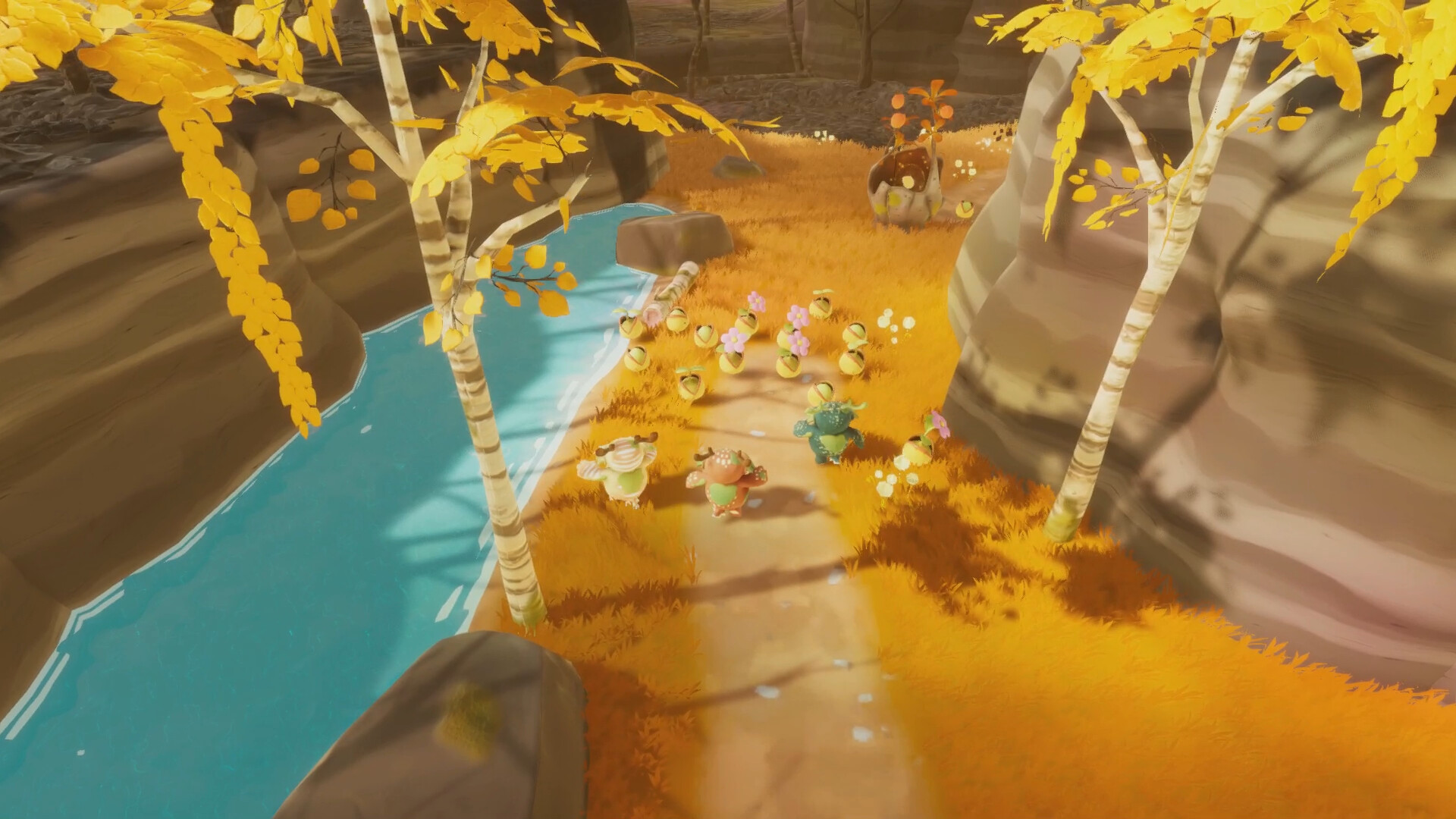
It is tempting to scoop up every Pouic you see, since a larger colony can open shortcuts and save real time. That same size is what gets people killed in run three. A big group is slower to steer as a unit, easier to lose track of at a glance, and one moment of inattention can scatter it across a hazard you were not watching. Worse, a lost Pouic does not just cost you time: left alone in a scorched zone it can turn into a Malpouic, and Malpouics actively spread the corruption rather than sitting still waiting to be rescued.
- Grow your colony in small batches rather than sweeping up every Pouic in sight the moment you see them.
- Do a headcount before committing to a hazard crossing, cliff edge, or water hazard, not after.
- Go back for a straggler immediately rather than pressing on and hoping it catches up; the gap only widens as the zone spreads.
- Treat a shrinking colony as a hard stop signal to regroup, not a reason to rush the objective before you lose more.
Use the Terrain as a Wall, Not Just an Obstacle
Cliffs, lakes and the island's other natural features read as pure obstacles the first time you meet them, but BloomKeeper is built so the same terrain can work for you. Used deliberately, the environment can slow the spread of corruption and give an already-restored area lasting shelter rather than leaving it exposed on every side. Before rushing a colony toward the next objective, it is worth a few extra seconds to look at what geography already stands between your restored ground and the source of the blight, and to route your Pouics so that natural barrier stays intact instead of getting trampled flat.

Push, Secure, or Restore: The Choice Every Region Forces
Every region in BloomKeeper comes down to the same three options, and picking wrong is the single biggest reason a run falls apart. You can rush the objective with a large colony, which is fast but risks a situation that spirals out of control the moment something goes wrong. You can secure ground step by step, restoring what you have already reclaimed so the scorched zones cannot creep back in behind you, which is slower but far safer. Or you can hold in place and let a threatened area finish restoring before advancing at all. There is no single right answer; the level's terrain and how close the corruption's source already is should decide which one you pick. What matters is making that choice on purpose instead of defaulting to "push forward" because it feels like progress.
Solo Pace vs Co-op Chaos: Choosing How You Play
BloomKeeper plays differently depending on who is holding the controller. Solo, it is a contemplative, unhurried adventure where every movement matters and the bond with your Pouics builds one careful step at a time. Bring in up to three friends for online co-op and the same level turns into a coordination exercise: four sets of hands directing one colony means constant awareness of where your teammates are and what they are chasing, and a large group becomes far easier to lose track of than it is solo. Neither mode is the "correct" way to play BloomKeeper, but they call for different habits. Solo runs reward patience and double-checking every crossing; co-op runs reward calling out stragglers out loud before they wander into a scorched zone alone.
The game is available now on Steam for $15.99 during its opening discount, and a free demo is live for anyone who wants to test the colony-management loop before committing. It runs on modest hardware by 2026 standards, a GTX 1660 and 16GB of RAM cover the minimum spec, so the main barrier to trying it is time, not a graphics card.
Resonance Interactive built BloomKeeper with support from France's CNC and the Occitanie region, and the studio has said its philosophy is "on découvre, on trébuche, on se relève et on avance": you discover, you stumble, you rise, and you move forward. That is a fair description of what the first few hours with the Pouics actually feel like. Expect to lose a colony or two to a cliff you misjudged before the terrain-reading instincts click, and treat that as the game working as intended rather than a sign you are doing it wrong.
Official links
Sam writes about small studios and the games they ship against the odds, and turns the hardest parts of them into guides that get to the point.