Solo Studio TIDERAFT Opens NARON's Public Steam Playtest Through October 18
Hamburg one-person studio TIDERAFT, maker of Rift Miner, opens a public Steam Playtest for its co-op mining roguelite NARON through October 18.
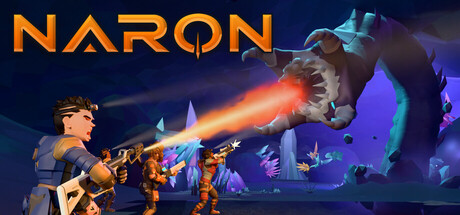
A one-person studio in Hamburg has thrown open the doors on its next game. TIDERAFT, the solo developer behind the mining roguelite Rift Miner, is running a public Steam Playtest for its co-op follow-up NARON from October 10 through October 18, and anyone who requests access through the Steam store page can drop into its caves this week.
A solo studio goes back underground
TIDERAFT's first release, Rift Miner, was a first-person mining roguelite built and shipped by a single developer working out of Hamburg, Germany. NARON keeps the drilling and the roguelite structure but scales the ambition up considerably: instead of a lone miner against a timer, it is built from the ground up for one to four players working a single drillship together, with the entire project still handled by the same one-person team credited as both developer and publisher.
The studio's own tagline for the new game sets the tone before a single tool is swung: "47 crews went down before you. None reached the core." It is a framing device, not a marketing exaggeration, since NARON's structure is built specifically to make that failure rate believable.
Twenty levels, one dying moon
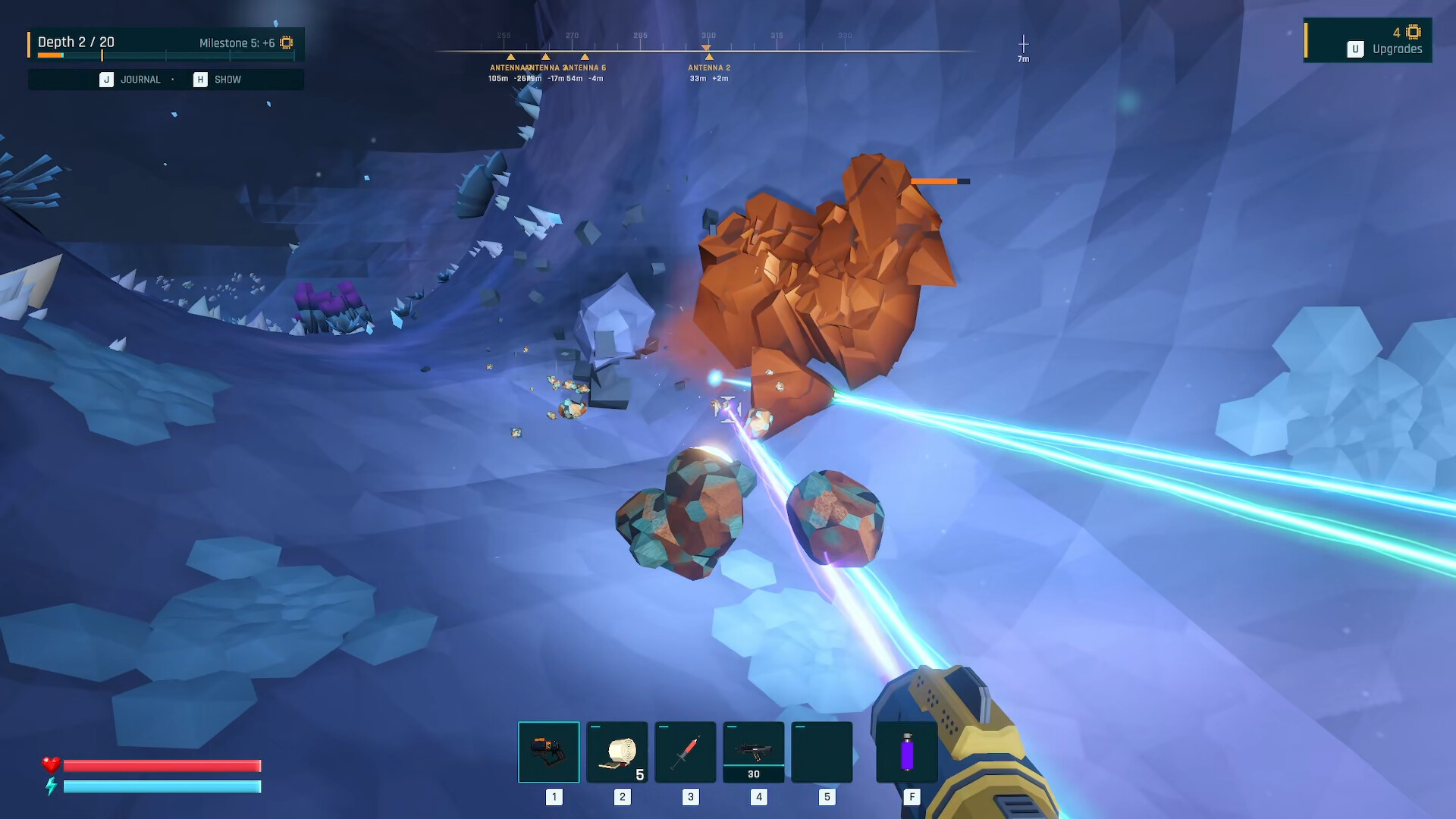
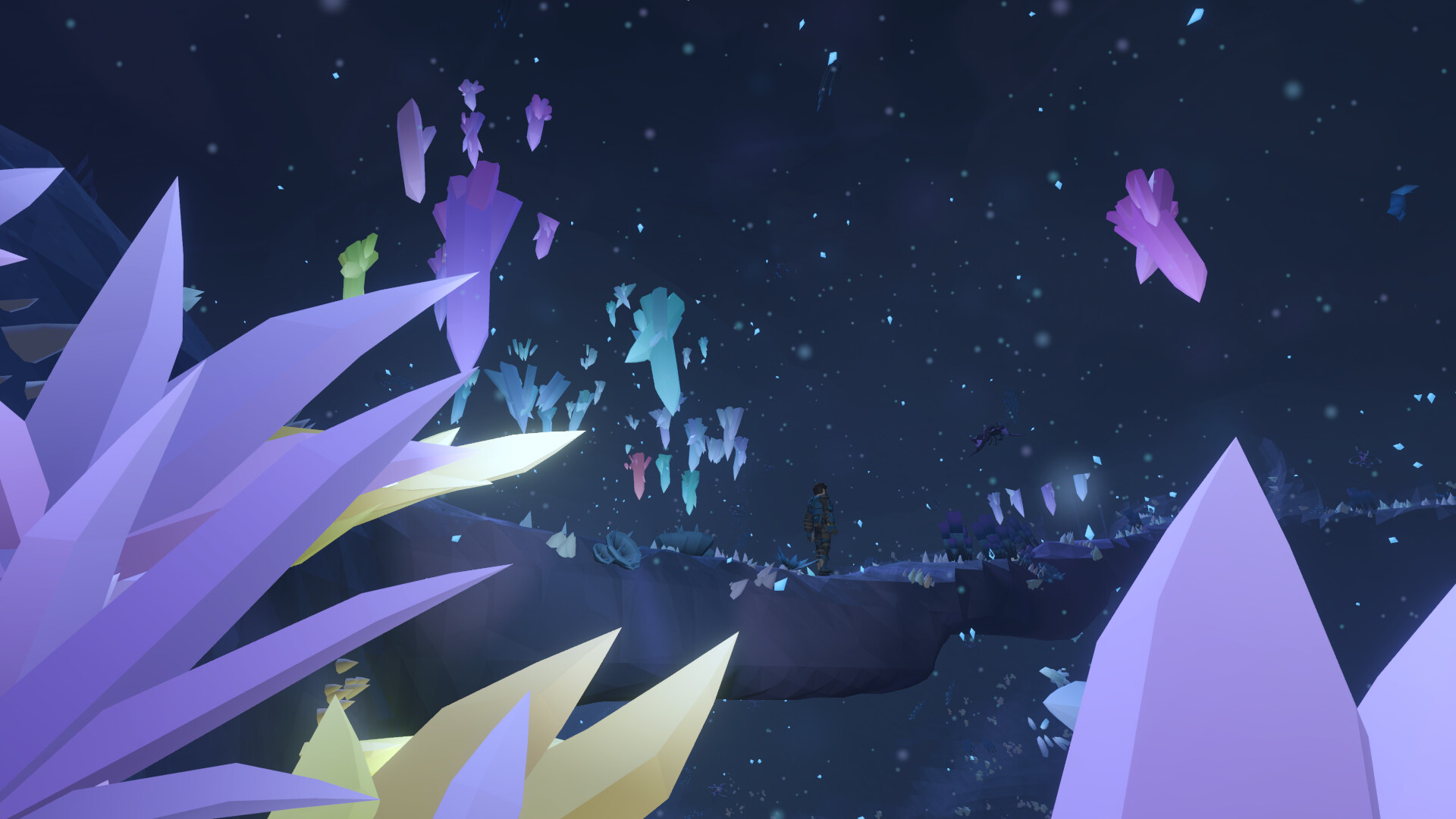
NARON sends a crew's drillship twenty levels beneath the surface of NARON-M, a dying moon, mining resources and fighting off hostile creatures while working toward a specific main objective on each level before the ship can push deeper. The rock itself is fully deformable in first person, so there are no fixed ore nodes or scripted tunnels; a crew cuts its own paths through procedurally generated rock caverns, mushroom caves, flooded chambers, lava caves, ice fields and crystal caves, each with its own resources and hazards.
Between descents, the crew returns to a cockpit terminal that lays out the branching routes ahead, including the biomes, loot and hazards on each one, and votes together on which path to take. The safer route offers less material; the dangerous one promises more. It is a deliberately social decision point built for a group that has to live with the consequences together.
The deeper you dig, the harder the trip back
The game's central risk-reward hook is that progress on a level's main objective actively works against the crew: pressure fronts spread through the caves, creatures pour out of their nests, and the return trip to the ship gets more dangerous the longer a crew lingers to grab one more vein of ore. Collapsing tunnels can bury a crew outright, on top of environmental threats like toxic gas, heat and flooded, oxygen-starved passages.
Combat leans on four weapons, a revolver, flamethrower, shotgun and assault rifle, with boss fights scattered through the descent, and downed teammates need to be revived rather than simply respawned in. Communication runs on proximity voice chat for close-quarters coordination and a radio channel for crews that split up. NARON is fully playable solo, but the studio is upfront that survival with a group also depends on someone answering the radio when a teammate calls for help.
- Online co-op for one to four players, fully playable solo
- Twenty levels with procedurally generated biomes and fully deformable rock
- Branching routes decided by crew vote at the cockpit terminal
- Permanent upgrades purchased with NARON Points earned from contracts and depth milestones
What's actually in this week's playtest
The current Steam Playtest, running October 10 to 18, is open to anyone who requests access through NARON's Steam page; wishlisting the game there will also trigger a notification once a slot opens. Creators and press can get in ahead of the general window by writing to the studio directly, and a press key request form is linked from TIDERAFT's own site alongside its press kit.
No price or exact release date has been set. TIDERAFT's own roadmap points to a public demo at Steam Next Fest in February 2027, with a full release on Windows PC via Steam to follow sometime after that. For a studio of one, an open playtest roughly a year ahead of launch is a sizable bet on direct player feedback shaping the final build, and the window running right now is the first real chance for outsiders to test that bet.
A long way left to the core
NARON is still a long way from being finished, and TIDERAFT has been clear that nobody has reached the bottom of its twenty levels yet, including the development team's own internal runs if the marketing copy is taken at its word. What the playtest offers this week is a look at whether the push-your-luck loop, cutting fresh tunnels, racing pressure fronts and voting on routes as a crew, holds up with real players rather than a solo developer's own testing. Given how much of NARON's identity rests on a crew pressing deeper together and then having to claw its way back out, that is exactly the kind of thing a one-person studio benefits most from putting in front of strangers before 2027.
Official links
Sam writes about small studios and the games they ship against the odds, and turns the hardest parts of them into guides that get to the point.