Nintendo's Ocarina of Time Remake Team Details What Changed, What Stayed
Ahead of the Switch 2 remake's November 5 launch, Nintendo's own developers detail the design choices and cut features that shaped Ocarina of Time's return.
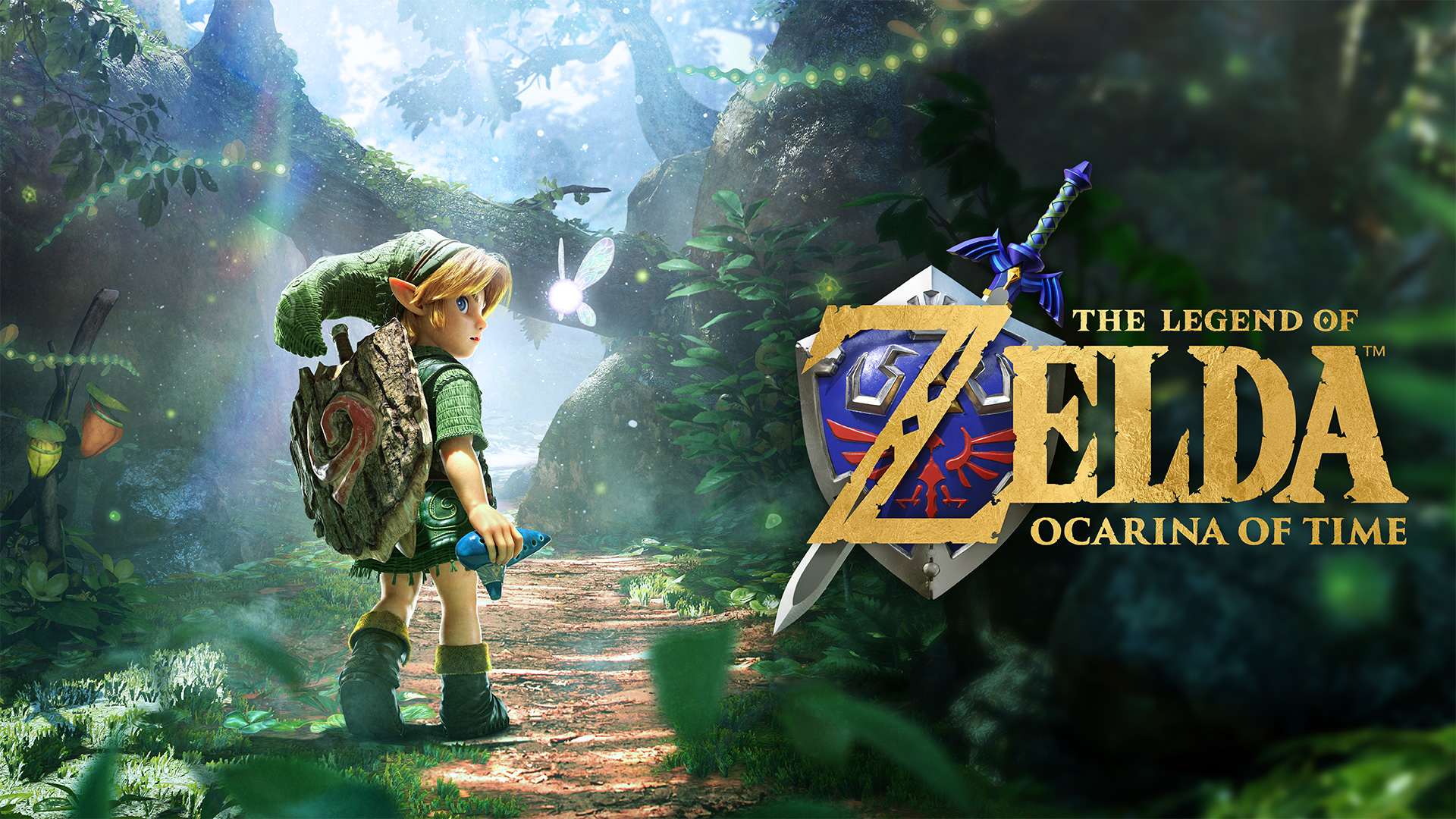
Three days before The Legend of Zelda: Ocarina of Time returns as a full Nintendo Switch 2 remake, Nintendo has let the people who built it explain why it looks the way it does. The publisher posted the first two parts of Ask the Developer Vol. 24 on its own website, a six-person roundtable covering what the team changed, what it quietly put back, and how it rebuilt a 28-year-old Hyrule without losing what made the original work.
The remake launches November 5 for $59.99, exclusively on Switch 2, arriving in the middle of the series' 40th anniversary year. It is described internally not as a remaster of the 1998 Nintendo 64 game but as a full rebuild, with the original's N64-to-3DS history treated as a separate, earlier chapter.
Why Revisit a Game Half the Team Never Played at Launch
Series producer Eiji Aonuma, who has worked on every mainline Zelda since the original Ocarina of Time, said the project was partly an exercise for a development team stacked with people who joined the series only in the open-world era. He wanted them to study how the 1998 game paced its story and power progression before they ever touched a line of its code, in the hope that the process would feed back into future entries. He also wanted players raised on Breath of the Wild's open structure to feel the original's more linear, deliberately staged sense of growth.
Producer Hidemaro Fujibayashi, who joined the series on the Oracle games before directing Skyward Sword, Breath of the Wild and Tears of the Kingdom, said he pushed the team to decide early which systems had to change because of the jump from an N64 controller to a modern one, and which had to stay untouched regardless.

What Got Cut After It Was Already Built
Not every new idea survived contact with the original design. Aonuma said the team added warp points to help players cross Hyrule Field quickly, mirroring how many original players leaned on the forward roll to speed across the map. Once the warps were in, though, the team found they undercut moments of discovery the field was built around, and pulled every one of them back out before release.
Aonuma said the depth of care the team brought to preserving the original surprised him, describing a group that understood not just what Ocarina of Time did, but why it mattered to the series that followed it.
Rebuilding Hyrule Without Losing the Original's Shape
Director HokWai Ng, whose Zelda work began on Tears of the Kingdom, said the team's guiding rule was that the visuals could change as long as the underlying experience did not. Program director Hiroki Taguchi, who joined for Breath of the Wild, compared the original's design to a finely balanced structure where removing a single piece risked the whole thing falling apart, which shaped how cautiously the team approached any changes to its systems.
Structurally, the remake keeps the original's separate, loading-screen-divided maps rather than stitching Hyrule into one seamless open world. A new overworld map was drawn by the same artist responsible for the Nintendo 64 version's illustrations. Art director Aya Shida, who has worked on character design since Breath of the Wild, said the team's early visual references were deliberately analog: a puppet-show feel and the texture of practical effects films, aimed at keeping Hyrule's slightly dreamlike, handmade quality rather than smoothing it into something more realistic.
- Character silhouettes were preserved even where individual designs changed, so each character stays recognizable at a distance.
- The team researched museum costume archives and had custom fabric woven for Young Link's tunic.
- Grass across the overworld now reacts physically to the player, and Hyrule Field's distant landmarks, including the castle and windmill, were enlarged and given more detail up close.
New Voice Work and a Returning Composer
Sound director Masato Ohashi, who also composed for Tears of the Kingdom and Echoes of Wisdom, oversaw the remake's music and said he felt both excited and apprehensive about reworking a soundtrack as closely tied to the series' identity as Ocarina of Time's. The remake adds full voice acting and expanded dialogue on top of the original's text-based script, changes Nintendo has not made to a mainline 3D Zelda rerelease before.
“The visuals may change, but the experience does not.”HokWai Ng, Director, The Legend of Zelda: Ocarina of Time (Nintendo Switch 2)

What's Still to Come
Nintendo has scheduled two more installments of the interview series for November 3, two days ahead of launch. Parts 3 and 4 are expected to cover additional areas of development the publisher has not detailed yet. Combined with the original 1998 release's status as one of the most studied games in the medium, the series gives Nintendo a rare, on-the-record account of how a studio approaches remaking its own most scrutinized work.
Official links
Theo covers the business of games for Gamers6: studio moves, platform strategy and the press releases nobody else finishes reading. He files most days before the coffee is cold.


