Terrible Lizards Turns a Dead Dino Attraction Into a Weaponless Horror Chase
WDR Studios previews Terrible Lizards, a weaponless first-person parkour horror game at an abandoned Route 66 dino attraction, launching October 29.
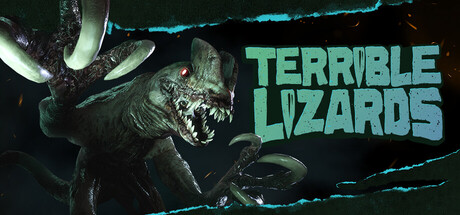
Something has gone wrong at Dalton's Dinos, the decaying Route 66 roadside attraction at the center of Terrible Lizards, the debut game from Raleigh, North Carolina studio WDR Studios. The staff are gone, your car has died in the New Mexico desert, and a voice on an old telephone keeps begging you to find a missing child. There are no guns, no melee weapons, and no fighting back. The only way through is to move faster than whatever is chasing you, and the game arrives on PC via Steam on October 29.

A Roadside Attraction With Something Below It
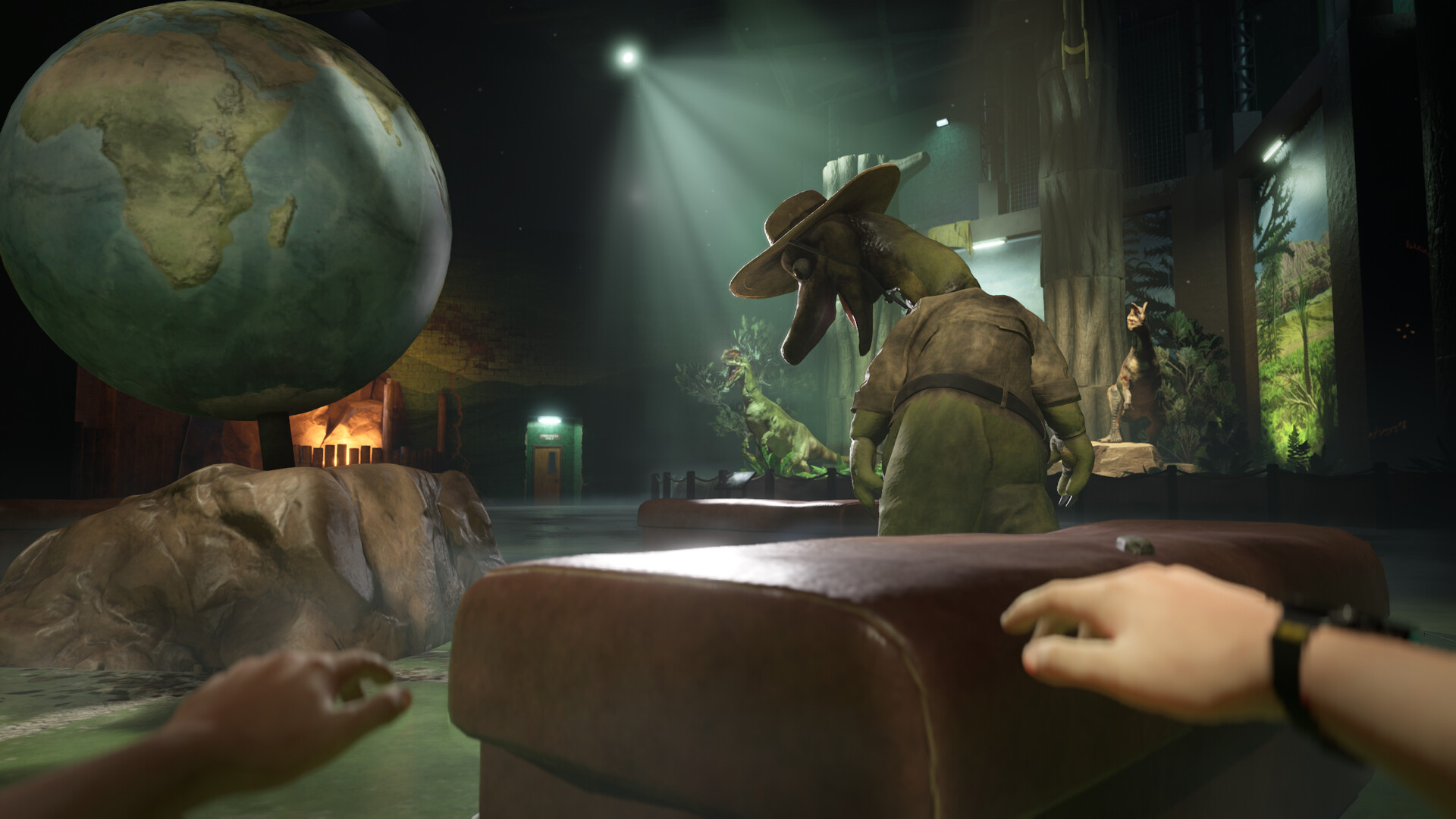
The setup is deliberately analog. It's 1992, there are no cell phones or rideshares, and the player's only option after their car breaks down is to walk into Dalton's Dinos looking for a payphone. What they find instead is an attraction that has been abandoned for reasons the game only reveals in pieces, through cassette tapes, handwritten notes and answering-machine recordings scattered through its animatronic dinosaur exhibits.
Studio Director and Game Director John W. Gelardi told the PlayStation Blog that the name is a deliberate nod to etymology: "The word dinosaur actually means 'terrible lizard', from the Greek deinos and saurus." WDR Studios leans into that literally, twisting familiar dino silhouettes into the creatures that stalk the park's crumbling halls.
Movement Built Like a Shooter, Not a Platformer
Where most first-person horror games ask players to hide, Terrible Lizards asks them to run. The traversal kit covers running, jumping, sliding, wall-running, bouncing off surfaces, ledge grabs and ledge-to-ledge leaps, all stitched together so a chase never has to stop to let the player think. Gelardi has described the feel as closer to a fast-paced shooter's movement tech than to a traditional parkour game: speed stays maxed out whenever the player can move or jump, with aerial corrections handling the fine-tuning instead of a deliberate acceleration curve.
That choice shapes the entire attraction. Every corridor, exhibit hall and maintenance tunnel in Dalton's Dinos appears to be built around sightlines and verticality rather than puzzle logic, so a creature closing in from behind has an actual chance of cutting off an escape route rather than simply plodding along a scripted path.
No Weapons, Just Wits
Terrible Lizards' pitch is explicit about what the game won't let players do: fight back. Its official description is blunt about combat not being on the table, pushing every encounter toward outmaneuvering rather than outgunning whatever is hunting the player through the park. The developer frames this as the core tension of the game, not a limitation bolted on afterward.
- Horror Meets Parkour: fluid, momentum-driven movement is the only tool for outrunning the attraction's creatures.
- A Mystery Buried: the roadside attraction hides a deeper, older story beneath its exhibits.
- No Weapons: every encounter is about outsmarting pursuers, never fighting them.
- Environmental Storytelling: tapes, notes and recordings piece together what actually happened at Dalton's Dinos.
“Terrible Lizards is a fun game to be inside of, with controls and mechanics that are satisfying to use.”John W. Gelardi, Studio Director and Game Director, WDR Studios
First-Time Developers With a Simple Pitch
WDR Studios is a small, young team, and Gelardi has been candid about that in interviews tied to the launch. "Our team is made up of first-time game developers," he told the PlayStation Blog, framing the studio's debut less as a calculated market play and more as a group of friends building something they personally wanted to play. "When I founded WDR Studios with my colleagues, the goal was simple: make the kind of games that we'd want to play," he said, adding that the result is "a fun game to be inside of, with controls and mechanics that are satisfying to use."
That kind of origin story is common in horror's indie corner, but it's worth noting here because Terrible Lizards isn't trying to be a sprawling survival-horror epic. Its ambitions are narrow and specific: a tight, replayable chase structure wrapped around a mystery players piece together themselves, rather than a story delivered to them in cutscenes.
Where to Play It This Week
Terrible Lizards launches October 29 on PC via Steam, published by Digital Pajamas and Behaviour Interactive. Players who want a preview before committing can download the free Terrible Lizards demo on Steam now, which includes a slice of Dalton's Dinos and its early chase sequences. A PlayStation storefront listing for the game is also live, pointing to a console release alongside its PC debut.
For a studio built entirely from first-time developers, getting a fully voiced, environmentally-told horror game with this much traversal tech out the door at all is the real headline. Whether Dalton's Dinos has the staying power of a longer campaign, or works best as a tight, repeatable fright, is the question its October 29 launch is about to answer.
Official links
Mira leads previews at Gamers6. She has spent fifteen years playing co-op shooters badly and writing about them well, and she still keeps a spreadsheet of every weapon reload animation worth the frame count.