A Beginner's Guide to Delve Survivors' Classes, Dungeons and Death Modes
Delve Survivors left Early Access cracking Steam's trending charts. Here's how to pick a class, a death mode, and build toward its 100-floor Abyss.
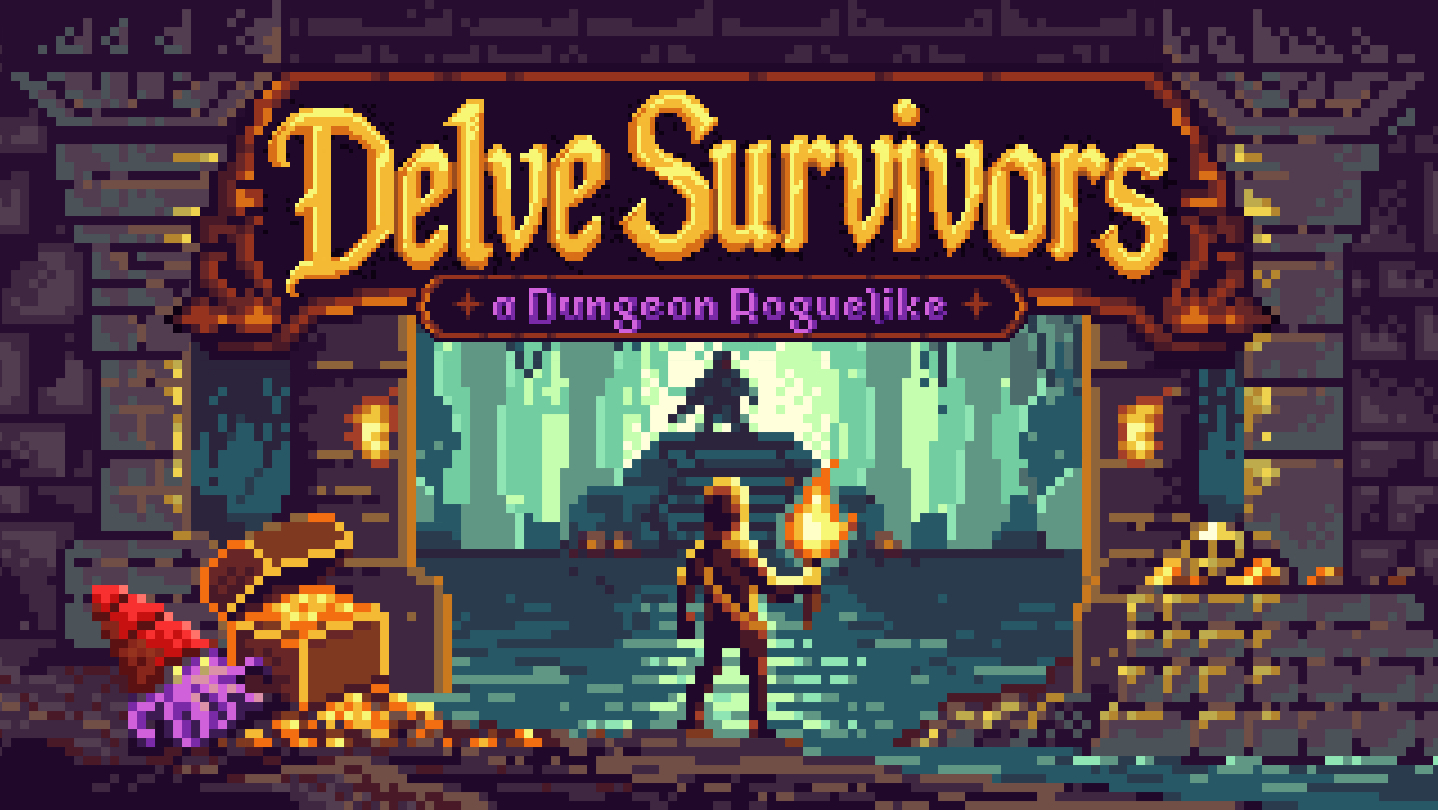
A week after leaving Early Access, Delve Survivors is still climbing Steam's charts: developer iDiOSLAB flagged the game sitting at No. 6 in the storefront's New & Trending roguelikes list on November 14, and the 1.0 version is currently discounted 15% off its $12.99 launch price. If you are only now jumping in, the turn-based twist on the survivors genre throws a lot at you in the first ten minutes: three classes, three death modes, and a town hub full of upgrades you cannot afford yet. Here is what to know before you take your first step into the Delve.
The pitch is simple on paper: take the grid-based dungeon crawling of a classic roguelike and bolt on the escalating enemy swarms and skill-stacking builds of a survivors game, then slow the whole thing down to a turn-based pace so every decision is deliberate instead of reflexive. iDiOSLAB has described the goal as condensing the exploration and character growth of old-school dungeon crawlers into a run that fits comfortably inside a lunch break, and the systems below are where that design shows up most clearly.
Choosing Your Class: Warrior, Archer or Mage
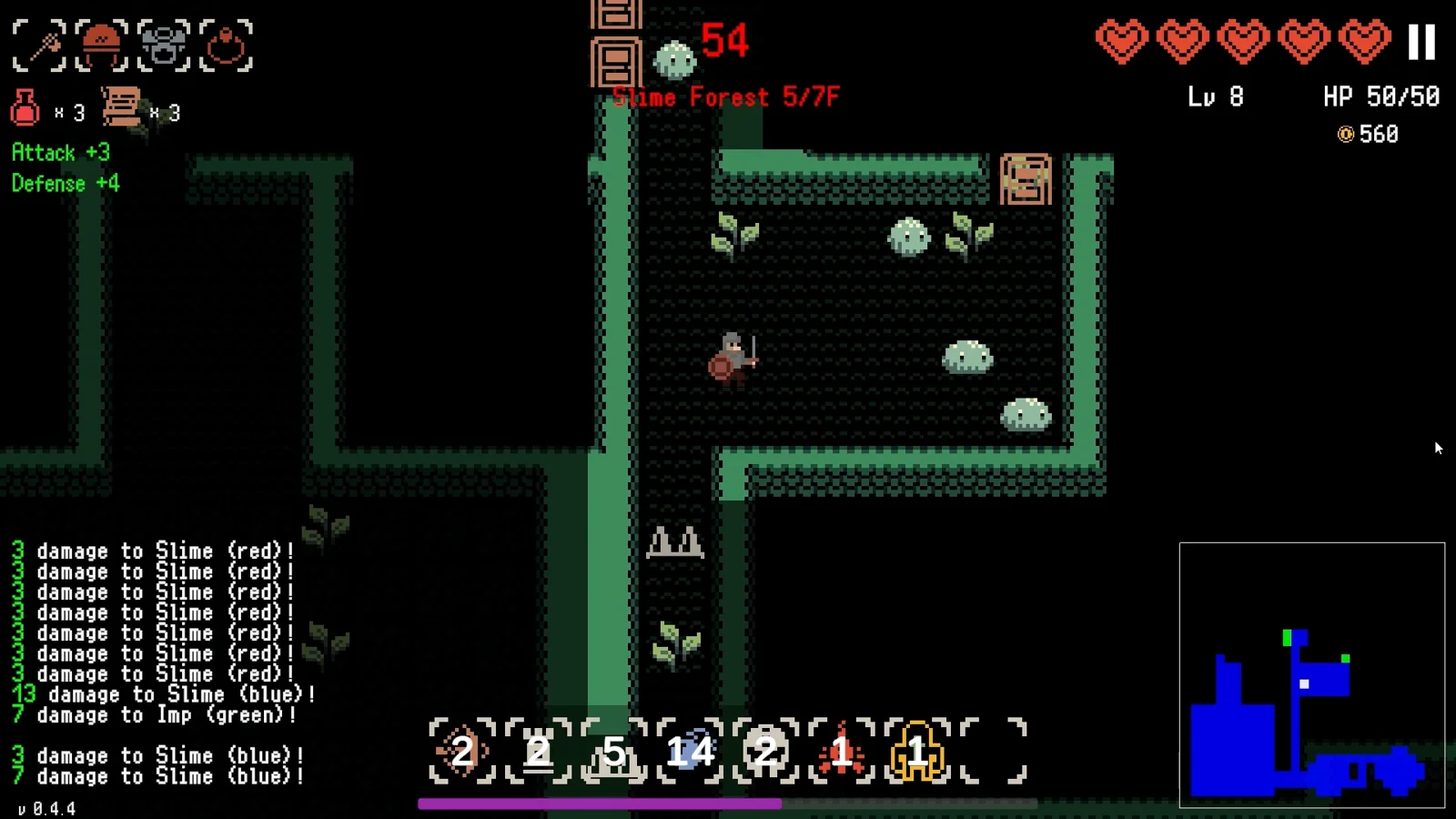
Delve Survivors launches with three playable Heroes, each defined by its starting gear and stat spread rather than a locked skill tree. The Warrior begins with a Rusty Sword and a shield, leaning on raw Strength and Defense to tank hits while skills catch up. The Archer trades that durability for range and Dexterity, letting you pepper enemies before they close the distance, while the Mage opens with the weakest physical stats but the only access to Magic-scaling skills from level one.
None of the three is locked to its starting playstyle for long. Every level-up offers a new skill to slot in, and because weapons and accessories are itemized loosely rather than class-locked, an Archer who stumbles into a strong staff drop can pivot toward spellcasting mid-run. For a first attempt, the Warrior is the most forgiving: its higher Defense buys you the extra turns you need to actually read the dungeon instead of just reacting to it.
The Turn-Based Twist: Why Standing Still Matters
The feature that separates Delve Survivors from the swarm of other survivors-likes is on the tin: it is genuinely turn-based. Enemies only act when you do, so standing still costs you nothing, and there is no clock punishing you for stopping to think. That sounds slow until the floor fills with enemies converging from three directions and you realize every step you take is also a step they take.
In practice, this means positioning does more work here than in a real-time horde game. Backing into a corridor forces enemies into a line for your Mage's cone attacks; luring a group toward a doorway lets a Warrior fight one attacker at a time instead of four. Cooldowns and skill ranges are also exact numbers you can plan around rather than approximate feel, so it pays to actually read a new skill's tooltip before you equip it instead of grabbing whatever glows brightest at level-up.
Pick the Right Death Mode Before You Start
Delve Survivors asks you to choose a death penalty before your very first dungeon, and the choice sticks to that character. Casual mode is the safety net: dying costs you nothing, and you keep your loot, gold and world progress to try again immediately. Casual Rogue sends you back to the first dungeon on death but lets you keep everything you found, which rewards cautious looting without punishing a bad run too harshly. Hard Core is the traditional roguelike deal: one death wipes your loot and progress entirely, and in exchange the game hands out noticeably better drop rates to compensate.
There is no wrong answer for a first character, but Casual Rogue is the better starting point than it looks. Pure Casual makes death meaningless, which undercuts the tension the turn-based combat is built around, while Hard Core's higher stakes are easier to appreciate once you already understand how builds come together. Running Casual Rogue first teaches you to respect bosses without erasing the hours you put in if one catches you off guard.
Nine Dungeons, One Punishing Abyss
The 1.0 release expands the demo's four explorable areas into nine themed dungeons, from spider-infested caves to cursed graveyards and frozen caverns, each ending in a boss fight that tests whatever build you have assembled by that point. Boss encounters are built around positioning and resource management rather than pure damage checks, so arriving with your strongest single-target skill on cooldown is usually fatal regardless of your gear.
“What I love about Survivors games is how they take the core RPG experience and condense it into an exciting 15- to 20-minute adventure.”Ryan Wolf, co-creator of Delve Survivors
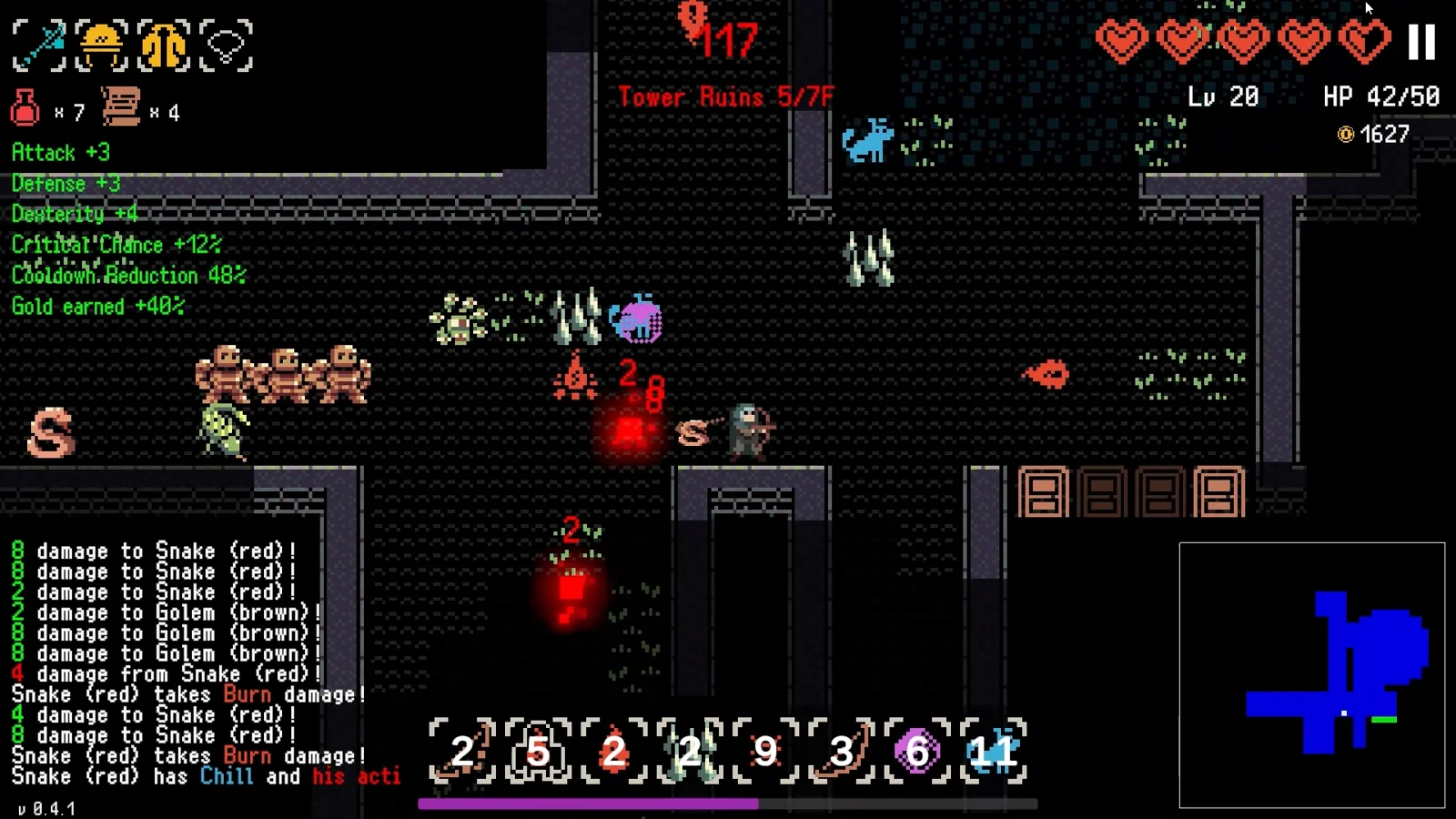
Clearing the nine main dungeons unlocks the Abyss, a 100-floor endgame gauntlet designed to stress-test builds that already feel strong elsewhere. There is little reason to rush toward it on your first character. The Abyss scales difficulty continuously rather than in discrete tiers, so it rewards a fully itemized build with upgraded gear far more than it rewards an early character still filling out its skill loadout.
Spend Your Gold at the Town Hub Between Runs
Between dungeons, the town hub shop is where loose gold actually becomes power. You can upgrade weapons and armor, improve class-based stats, and buy potions or scrolls to carry into your next attempt, and the game lets you exchange items across characters sharing the same game mode, so a Hard Core alt is not starting from zero if your main has already stocked up. Early on, upgrading whatever weapon you are actively using beats hoarding gold for a theoretical better drop that might never come.
The single most common beginner mistake is treating the shop as optional. Because death in Casual Rogue and Hard Core resets your dungeon progress, every piece of gear you can afford to upgrade before diving back in meaningfully extends how far you get, and running back to town after a shaky floor is almost always better than pushing deeper undergeared. Delve Survivors rewards patience more than any single build decision, and that starts at the shop counter, not the dungeon door.
Quick Tips for Your First Delve
- Start on Casual Rogue, not Hard Core, so a single bad pull doesn't cost you a session's worth of loot.
- Read every new skill's range and cooldown before equipping it; the turn-based pace means those numbers are exact, not approximate.
- Use corridors and doorways to fight enemy groups one at a time instead of standing in open rooms.
- Upgrade your current weapon at the town hub shop before saving gold for a drop that might not come.
- Save the 100-floor Abyss for a character that has already cleared all nine main dungeons with a full build.
Official links
Sam writes about small studios and the games they ship against the odds, and turns the hardest parts of them into guides that get to the point.