Rogue Duck's Replay Value Turns Running a Used Game Shop Into a Sim
Rogue Duck Interactive's new job sim puts you behind the counter of a 2000s second-hand game store, haggling over cartridges and growing a retro empire.

Rogue Duck Interactive has a type. The small studio behind Ship, Inc. and Vending Machine Co. keeps building tiny, affordable business sims out of jobs most people only think about when they're annoyed by them. Its newest one, Replay Value: Second Hand Games, launched on Steam on November 2 and hands players the keys to a 2000s used-game store, cartridges, scratched discs and all.
Behind the counter of a dying retail format
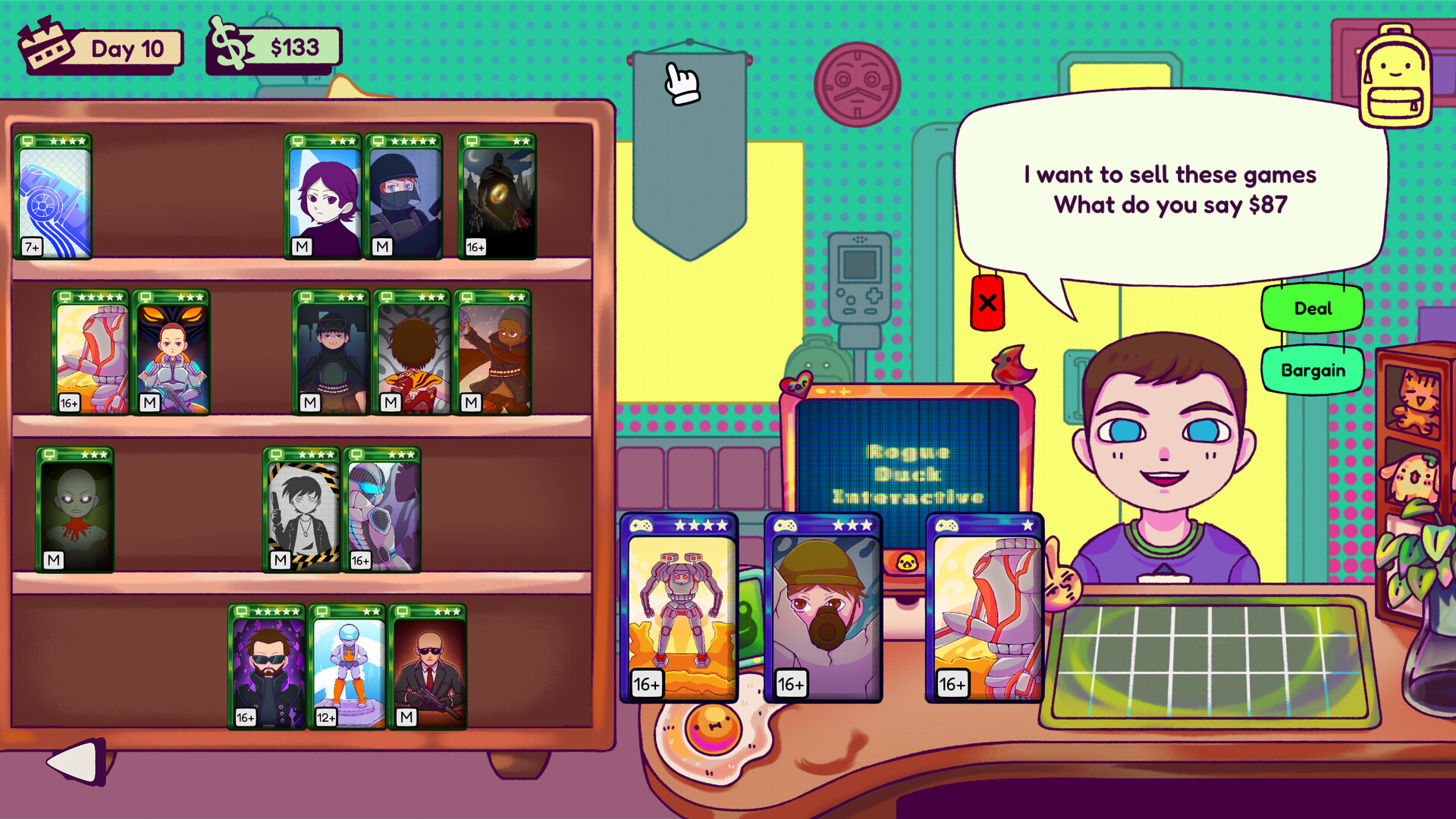
Replay Value is built entirely around the trade-in counter: a daily parade of customers who either want to unload a dusty collection or are hunting for one specific, hard-to-find title. The job is to buy low, sell fair and keep the shelves interesting enough that people keep walking in. According to the game's Steam page, every customer request is randomized, so no two shifts play out the same way.
That randomness is the point. The store doesn't run itself on a script; it runs on whatever walks through the door that day, which is a more anxious, more interesting problem than most shelf-stocking sims bother to pose.
A premise built for people who remember trade-in day
The setting is specific on purpose. Rather than an abstract corner shop, Replay Value recreates the exact ritual anyone who grew up near a GameStop, EB Games or an independent trade-in counter will recognize: someone sliding a stack of loose discs across the counter, haggling over whether a cracked case knocks the price down, and the quiet satisfaction of finding a genuinely rare cartridge buried in a pile of sports titles nobody wanted. The game leans into that period rather than updating it, which is part of why it reads as a job sim with a strong sense of place instead of a generic shopkeeping template with a game-store skin on top.
Haggling, cleaning and making the sale
Before a used copy can go back on the shelf, it has to earn its spot. Replay Value folds restoration into the core loop with a set of interactive minigames: cleaning discs, fixing up battered boxes, peeling off old price tags and running a disk check before anything gets priced. Presentation matters here in a very literal sense, since a cleaned-up copy sells better than a scuffed one.
Pricing itself is a negotiation, not a form field. Customers haggle, make counter-offers and occasionally walk if the number doesn't land, which means knowing when to hold firm and when to let a sale go is as much a part of the job as the cleaning minigames.
- Daily randomized customer requests, both sellers and buyers
- Minigames for cleaning, box repair, tag removal and disk checks
- A physical shelf layout alongside a separate online storefront
- An end-of-day summary tracking profit, sold stock and missed deals
From one shelf to a retro empire
Profit buys more than inventory. Earnings go toward unlocking additional platforms and handhelds to stock, adding shelf space, decorating the storefront with posters and figures, and eventually running ads to pull in more foot traffic. The digital storefront option lets players offload stock online instead of waiting for someone to browse in person, with its own end-of-day sales to track.
It's a familiar management-sim shape, store, upgrade, repeat, but the second-hand hook gives it a different texture than the cooking or farming sims that usually fill that slot. Nostalgia does a lot of the heavy lifting: the appeal isn't just running a tidy business, it's recognizing the games coming across the counter.
A studio that keeps opening new storefronts
Rogue Duck Interactive developed Replay Value, with Chinese publisher Gamersky Games co-publishing, the same arrangement behind Rogue Duck's other small sims. The studio's Steam publisher page lists upward of 38,000 followers, built up across a catalog of similarly scoped, similarly priced jobs-you-wouldn't-want simulators.
That pattern matters for how Replay Value should be read: this isn't a single breakout bet from a first-time developer, it's the latest release from a studio that has settled into a rhythm of shipping small, specific simulation games and finding an audience that keeps coming back for the next one.

Price, platforms and where to find it
Replay Value: Second Hand Games is out now on Steam for Windows, Mac and Linux, listed at $12.99 with a 25% launch discount bringing it to $9.74. It supports Steam Achievements and Steam Cloud saves, and the store page notes adjustable difficulty along with mouse-only and no-timed-input options for players who want the haggling without the reflex pressure.
A free demo and a dedicated Steam community group for the developer were already running ahead of launch, giving players a way to see the cleaning and haggling loop before committing. For anyone who misses browsing the used bins at a strip-mall game store, it's a strangely specific itch scratched.
Official links
Sam writes about small studios and the games they ship against the odds, and turns the hardest parts of them into guides that get to the point.


