Bandai Namco Launches Tales of Eternia Remastered Across Six Platforms
Bandai Namco has relaunched its 2000 RPG Tales of Eternia on six platforms, with dual visual modes, new difficulty tiers and quality-of-life battle options.
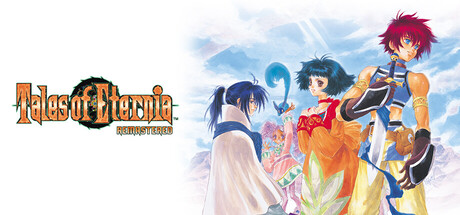
Bandai Namco Entertainment has launched Tales of Eternia Remastered, bringing the 2000 PlayStation RPG to PlayStation 5, PlayStation 4, Xbox Series X|S, Nintendo Switch, Nintendo Switch 2 and PC via Steam. The remaster went live in Japan on October 15 and rolled out worldwide on October 16, marking the first time a sprite-era Tales of title has received the full remaster treatment under Bandai Namco's ongoing Tales Remastered Project.
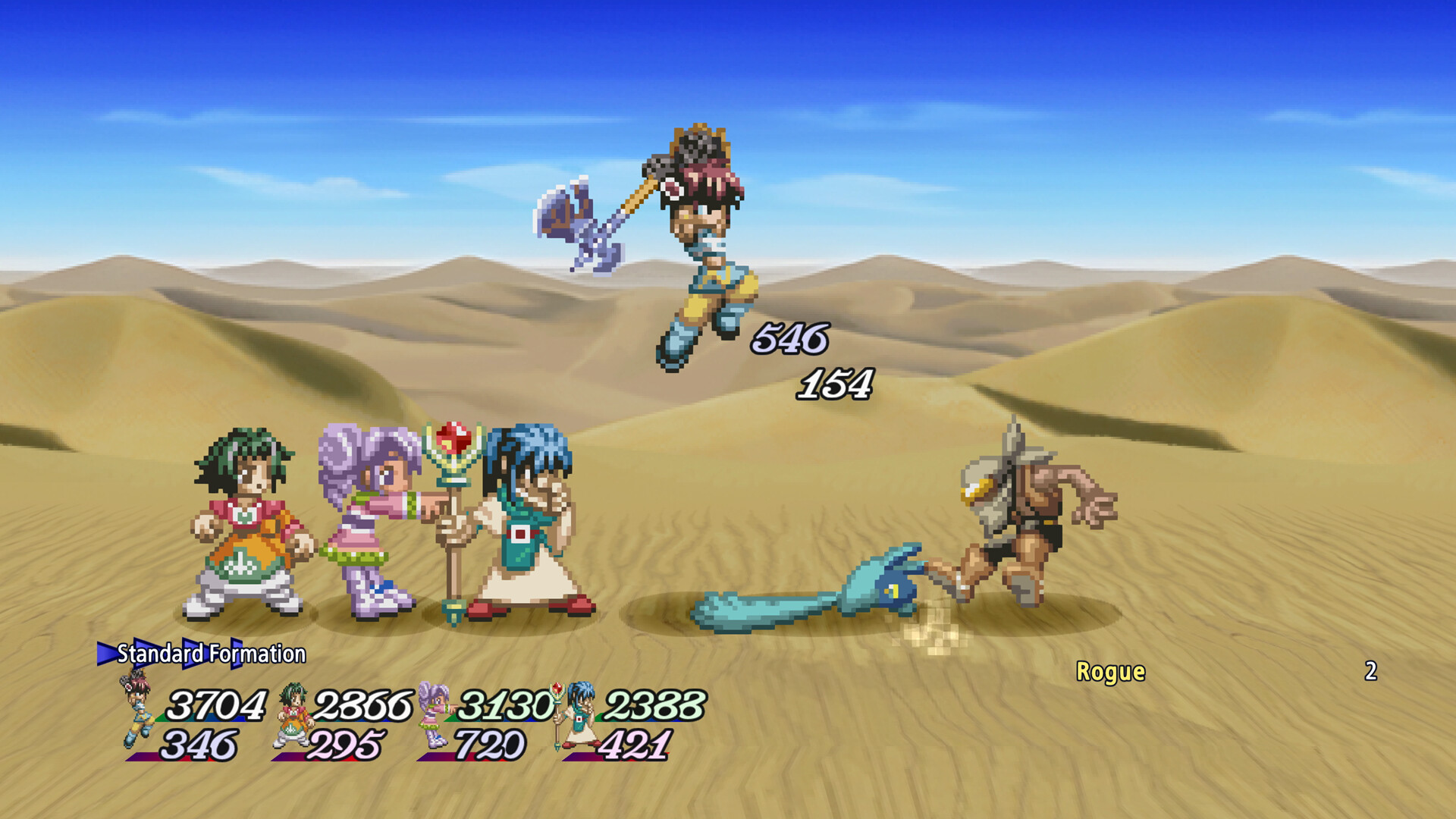
Developer TOSE, which previously handled Tales of Graces f Remastered, built the new version around a toggle between two distinct visual and audio modes rather than a single overhauled look, letting longtime fans swap back to the original presentation at will. Full platform and edition details are listed on Bandai Namco's official game page.
A journey between two worlds
Tales of Eternia follows Reid Hershel, Farah, Keele and Meredy as they race to stop the "Grand Fall," a catastrophic collision between the parallel worlds of Inferia and Celestia. Their only hope is tracking down the power of the Greater Craymel before the two worlds merge and destroy each other. The story originally launched in Japan in 2000 and reached the West in 2001 as Tales of Destiny II, a title Bandai Namco has long maintained is unrelated to the mainline Tales of Destiny despite the shared name.
Graphics Mode, SFX Mode and a reworked pace
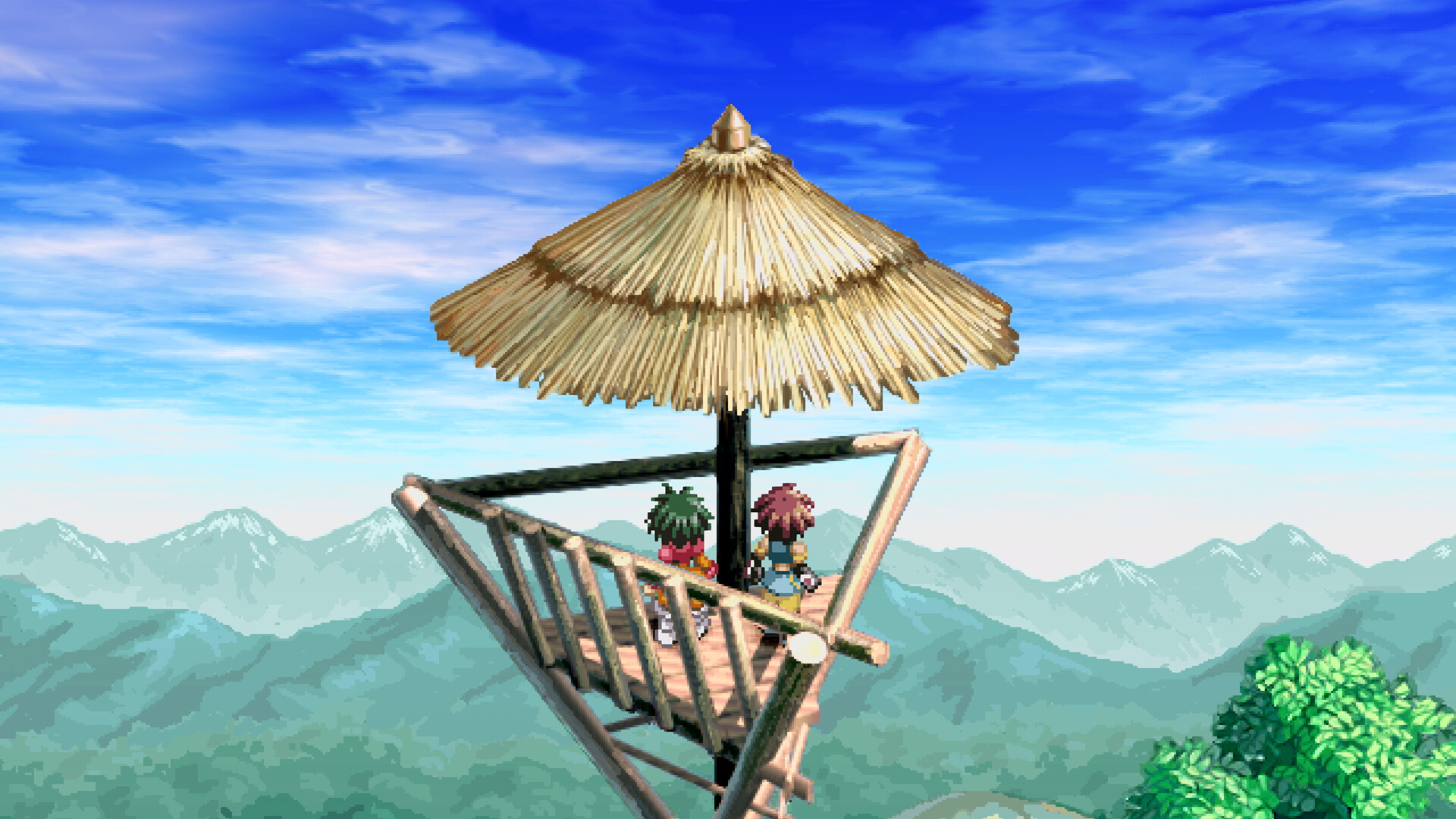
The headline feature is a pair of independent toggles: Graphics Mode switches between the remastered visuals and the original PS1-era presentation, while SFX Mode does the same for sound design. Bandai Namco paired that with a Boost feature that adjusts experience gains and encounter frequency on the fly, toggleable destination icons for the overworld map, and a high-speed option for Auto-mode battles that speeds up repetitive fights.
Combat also picks up Battle Retry and Quick Recovery options to soften the sting of a wipe, alongside two new difficulty tiers: an Extreme setting available from the start for players who want a harder baseline, and an "Unknown" difficulty that unlocks only after finishing the story once.
What the producer says changed
Producer Shuhei Tamakoshi described the balancing act behind the remaster's quality-of-life additions in an interview tied to the launch, saying the team wanted the game to welcome newcomers without erasing what made the original distinct.
“We refined it to make playing more comfortable for both returning players and newcomers after all this time.”Shuhei Tamakoshi, Producer, Bandai Namco Entertainment
Tamakoshi added that the studio expects "a diverse audience, including players who might find the old pacing slow," which shaped how aggressively TOSE tuned the new Boost and high-speed battle options rather than simply shipping a visual upscale.
Editions, pricing and platforms
Tales of Eternia Remastered is available as a standard edition and a Deluxe Edition that bundles a Battle BGM pack, a digital artbook and soundtrack, and a Super Growth Support item set; Bandai Namco is also selling a separate Deluxe Upgrade Pack for players who buy the base game first. On the Steam store page, the standard edition lists for $29.99, and the PC version already carries Valve's Steam Deck Verified badge. Physical editions are limited to Nintendo Switch and PlayStation 5.
Why it matters for the Tales Remastered Project
Eternia is the first entry in the project to revisit a 2D-sprite-era game rather than a fully 3D one, and Bandai Namco has signaled the initiative will continue picking remaster candidates by release readiness rather than strict chronological order. For a series that has leaned on remasters to keep its back catalog visible between new mainline entries, a successful six-platform relaunch of one of its more niche PS1-era stories is as much a test of audience appetite as it is a nostalgia play.
The simultaneous day-one release across six platforms is also notable for a 26-year-old RPG; shipping on both the outgoing Nintendo Switch and the newer Switch 2 at once suggests the publisher is treating its back catalog as a cross-generation bridge rather than a one-platform experiment. With the Deluxe Upgrade Pack sold separately from day one, existing owners of the base release have a direct path to the bonus content without needing to rebuy the full package.
Official links
Theo covers the business of games for Gamers6: studio moves, platform strategy and the press releases nobody else finishes reading. He files most days before the coffee is cold.