Elta: Defy All Gods' Free Demo Shows Off a Brawlervania Bound for February 2027
Afterburner Studios blends Castlevania-style exploration with brawler combat in a free demo now live on PS5 ahead of the dragon-god platformer's 2027 launch.

Afterburner Studios has put its next game in players' hands three years ahead of a wide release window, and three days ahead of this preview. On October 1, the Dreamscaper developer and publisher Focus Entertainment Publishing released a free demo of Elta: Defy All Gods on PS5, Xbox Series X|S and PC, giving a first hands-on look at a game the studio has been building since unveiling it at Gamescom's Opening Night Live in August. The full game is dated for February 2, 2027.
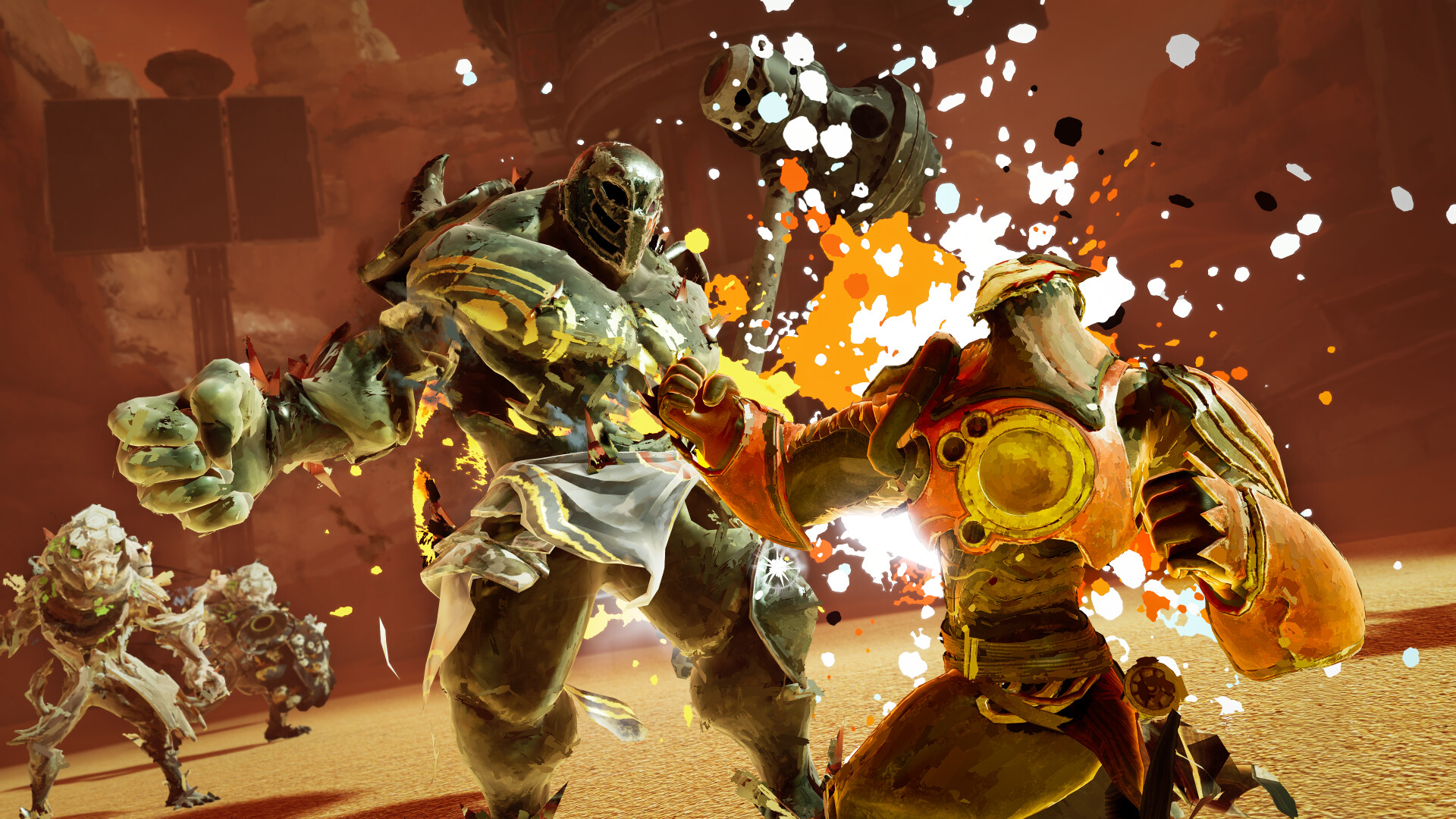
A "brawlervania" built around a dragon-god
Afterburner's own term for the genre it is chasing is "brawlervania," and the description does a lot of work. Players control Victus, a warrior monk sent to recover his people's lost god, Elta, who turns out to be a small, dragon-shaped companion rather than a towering deity. According to the PlayStation Blog, Victus fights across three martial arts stances, each with its own skill tree, layers in energy-based magic attacks on top, and strings it all together with a platforming kit that grows over the course of the game to include a double jump, dash, wall run and grapple.
Elta is not just along for the ride. The dragon-god contributes its own combat and traversal abilities, and Afterburner has said Elta visibly grows and changes form as Victus restores its power over the course of the story, giving the companion a progression arc that runs parallel to the player's own. It is a structure clearly aimed at justifying the "vania" half of the pitch: abilities unlock new paths, and new paths double back into areas players have already seen.
Where the demo actually takes players
The playable build covers the game's opening stretch: the search for Elta and an introduction to Lerna, one of three science-fantasy worlds Victus explores across the full game. Lerna is described as a glacial region laced with hidden ruins and secrets that reward players willing to backtrack once they've picked up a new movement ability, the structural backbone of any search-action game. It is a reasonable testing ground for a studio asking whether its combat and platforming feel good together before the rest of the map opens up, and a far smaller ask of players than a full campaign would be.
Afterburner has not detailed how long a full playthrough of Lerna's two sibling worlds will run, or how the three stances and their skill trees are meant to scale once Victus has access to all of them. Those specifics will likely surface closer to launch, once the studio has a finished build to show rather than a vertical slice.
“This is a game that must be felt, controller in hand, rather than just watched.”Ian Cofino, Co-Founder and Game Director, Afterburner Studios
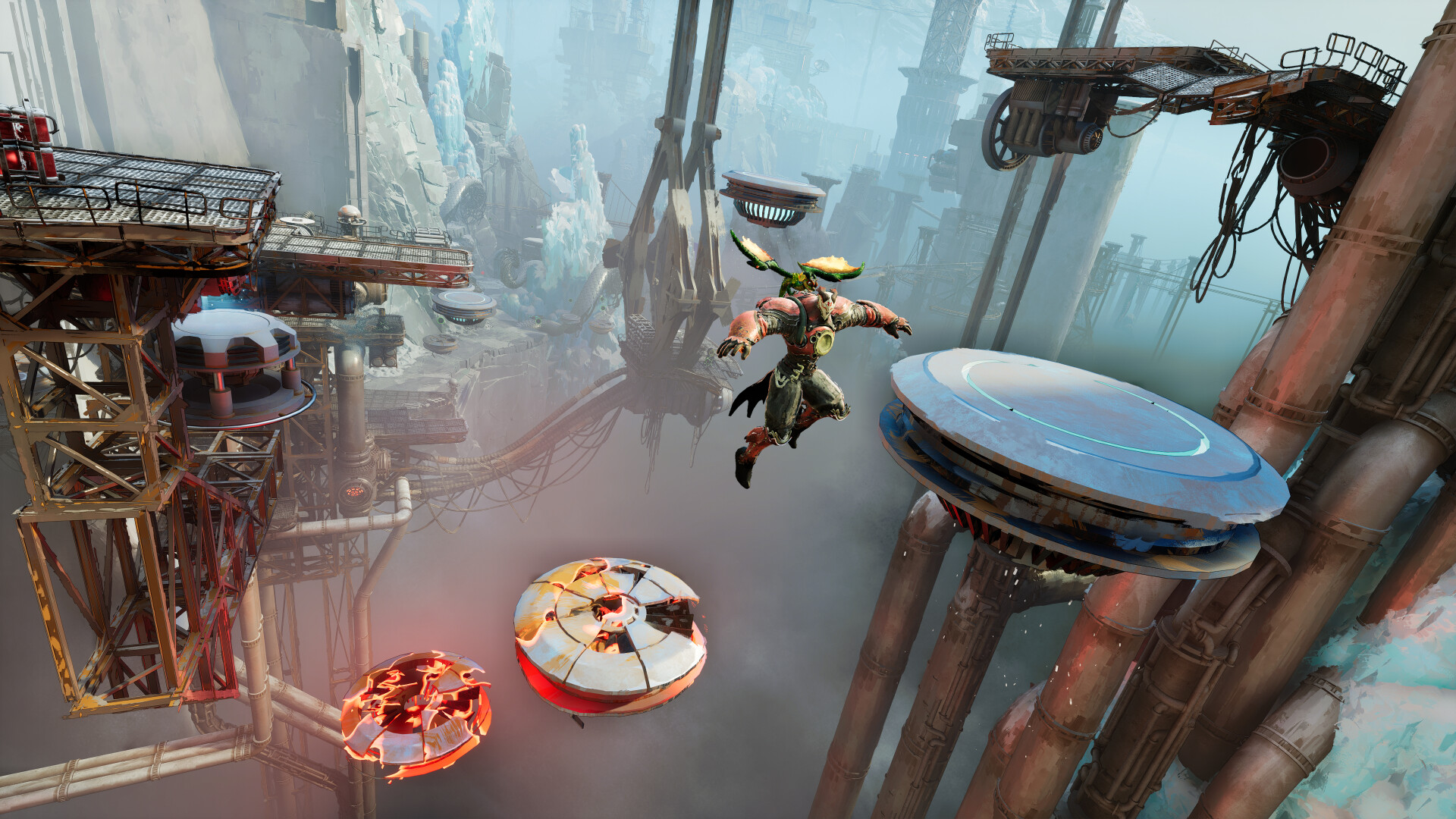
Influences worn openly
Game Director and co-founder Ian Cofino has been candid about where the design borrows from. Speaking to PlayStation's blog, he named Castlevania: Symphony of the Night, God of War, Darksiders and Jak and Daxter as touchstones for the exploration and combat structure, and pointed to shōnen anime, Dragon Ball Z specifically, and Hong Kong martial arts cinema as the source of the game's fight choreography. That is an ambitious reference list for a team Cofino has put at roughly 15 people, and it is the clearest sign of why Afterburner brought in a publisher for its second project after self-publishing Dreamscaper.
Partnering with Focus Entertainment Publishing gives the studio more resources than its debut had, without handing over creative direction. Cofino has framed the goal as scaling up scope while protecting the thing Dreamscaper was praised for: combat that feels good to execute, independent of how the rest of the game is dressed up around it.
What a demo can and can't prove
A free demo is the most honest preview tool a small studio has. It lets players judge Victus's moveset, the weight of his hits and the feel of DualSense haptic feedback across both combat and platforming, without relying on curated footage cut together by a marketing team. It also means Afterburner is inviting direct comparison to the Metroidvania and brawler classics it has named as influences before the full game is finished, a riskier move than a trailer drop but a considerably more honest one.
What the demo cannot show is how those three worlds and their skill trees hold up across a full campaign, or how the back half of Elta's own growth arc plays out once the dragon-god nears its true form. Those remain open questions heading into the February launch.
Where things stand
Pre-orders are open now on Steam and on console storefronts, with a Vanguard Armor cosmetic skin for Victus offered as the pre-order incentive. Barring further delays, Elta: Defy All Gods launches on PS5, Xbox Series X|S and PC on February 2, 2027. For now, the free demo remains the most direct way to judge whether Afterburner's brawlervania pitch holds up once a controller is actually in hand.
Official links
Mira leads previews at Gamers6. She has spent fifteen years playing co-op shooters badly and writing about them well, and she still keeps a spreadsheet of every weapon reload animation worth the frame count.