How to Get Started in Cutout Village, Steam's New Papercraft Village Builder
Cutout Village launched into Steam Early Access today. Here's how its cut, fold, and glue building system works, and how to unlock your first structures.
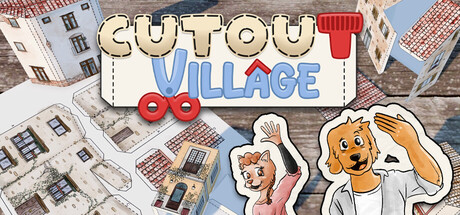
Cutout Village is not pretending to be a toy. It is one. DevilishGames' new Steam Early Access release wraps a cozy village-building loop around a genuinely unusual hook: every structure you place started life as a flat sheet of paper that you cut, fold, and glue together, and every one of those sheets can be printed out and built again on your kitchen table. The Spanish studio launched the game into Early Access on Steam on October 21, and the systems underneath its papercraft aesthetic are simple enough to pick up fast but easy to misjudge in the first hour. Here is what actually matters once you load in.
A Village Built From Paper, Not Polygons
The premise is deliberately small. Your characters inherit an old family home in the rural village where they grew up, only to find it nearly abandoned. There is no combat and no failure state, just a steady loop of restoring buildings, meeting the handful of people who stayed behind, and watching the streets fill back in. The entire game is styled after 1960s paper cutout books, down to watercolor textures and hand-drawn shadows, and that choice is not just cosmetic. It is the reason the building system works the way it does.
Your First Hours: Don't Rush the Family Home
When you start, resist the urge to spend every early piece of paper on decoration. Your first priority should be repairing and furnishing the family home itself, since several of the opening story beats and villager introductions are gated behind it rather than behind the village at large. Once the home is livable, the game opens up its first few plots and your actual village-building begins. Treat those early plots as a tutorial: the first handful of buildings you unlock are deliberately simple one or two-piece assemblies, and finishing them quickly is the fastest way to unlock the tools and recipes that make later, more detailed buildings possible.
It is also worth talking to every villager you can find in these opening hours, even the ones who do not seem to have anything for you. Cutout Village tells its story through environmental details and short conversations rather than cutscenes, and the order in which you meet people changes which buildings and services become available next.
How Cutting, Folding, and Gluing Actually Works
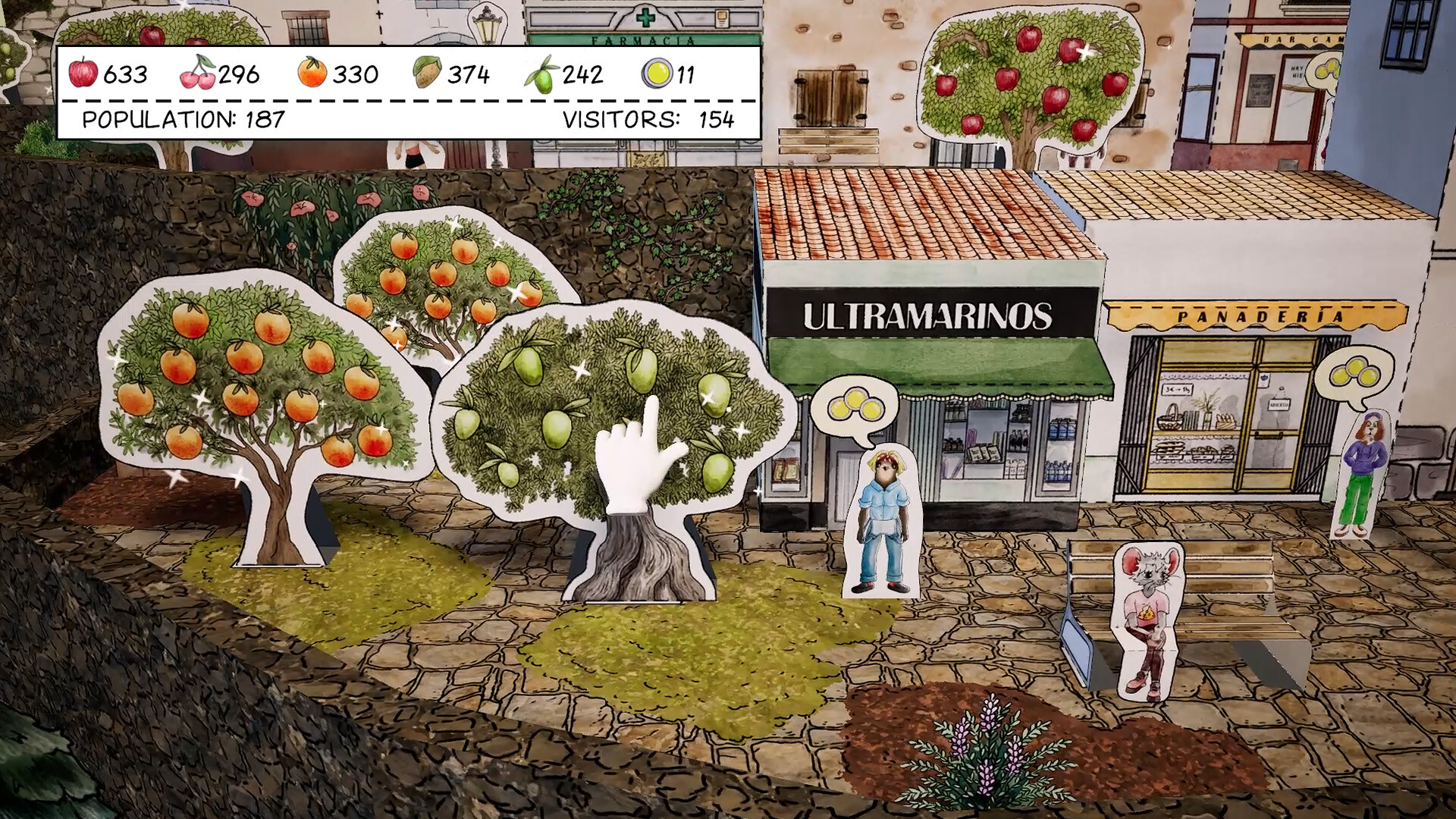
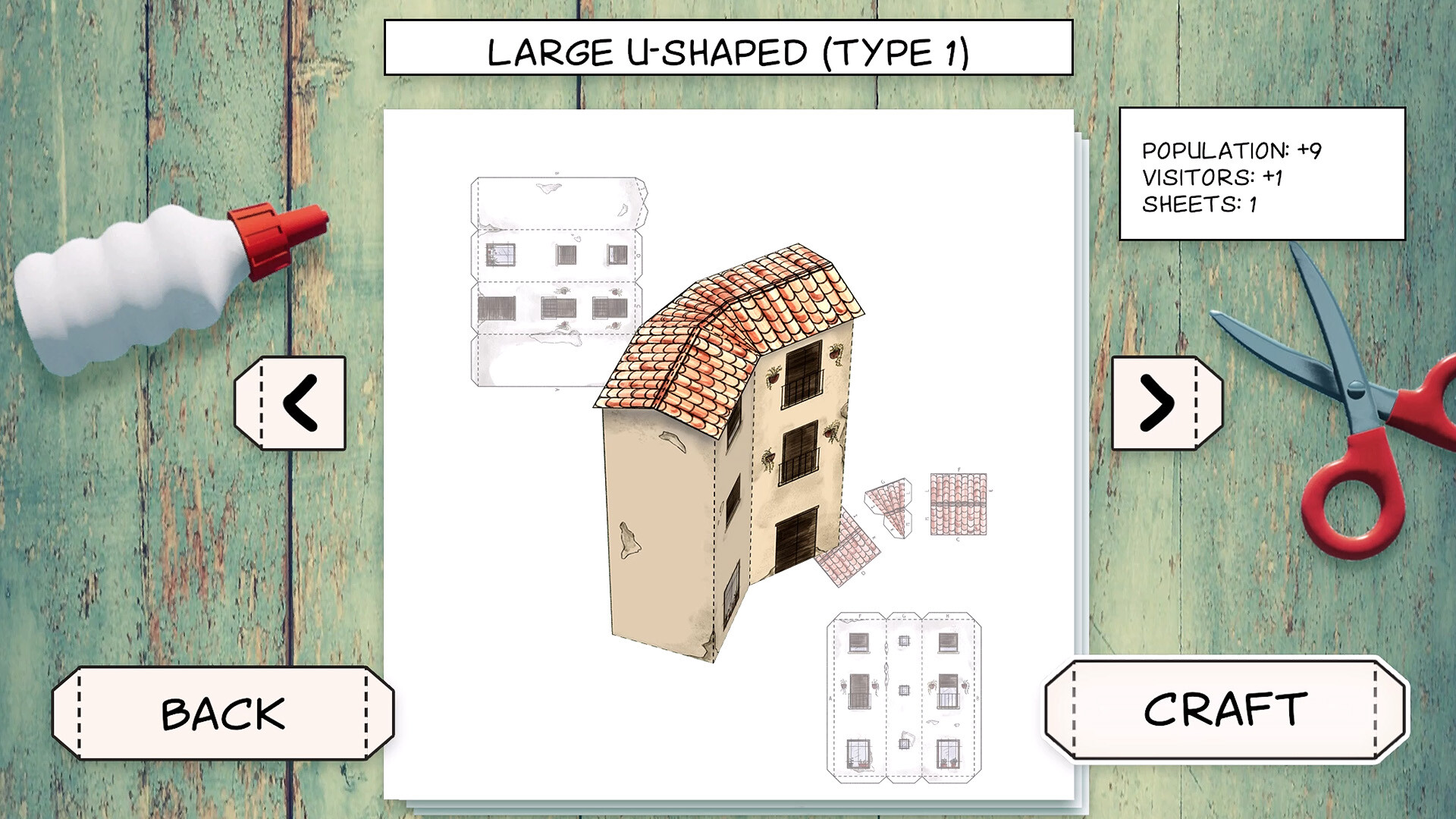
Placing a building is not a drag-and-drop action like in most city builders. Each structure is made of individual paper pieces that you collect as you explore and trade, and assembling one means working through its own cutting, folding, and gluing steps in order. Early buildings only need two or three pieces, so the process takes seconds. Larger service buildings and some of the more elaborate decorative pieces later on involve several components that have to be assembled in a specific sequence, and getting a step wrong costs you the piece, not just time, so it pays to read each building's assembly preview before you commit a sheet to it.
A useful habit: stockpile paper sheets rather than spending them the moment you get them. Because later buildings often need combinations of basic pieces you already have lying around, holding a small surplus means you are rarely stuck waiting on a single missing sheet when you want to start a bigger project.
Trading and Growing Crops to Earn What You Need
Paper and coins both come from the same two sources: trading with the village's inhabitants and growing and harvesting fruit. Selling surplus fruit is the steadier early income, since it does not depend on what a particular villager happens to want that day, so it is worth clearing and planting a growing plot as soon as the home allows it. Coins are what you spend on upgrading your tools and skills, which in turn speed up cutting and reduce how much paper each assembly wastes, so reinvesting early earnings into tool upgrades pays off faster than saving toward a specific building.
Trading with villagers is less predictable but more valuable for story progress, since certain people only hand over rarer sheets once you have built up enough of a relationship with them through regular trades. There is no penalty for trading often, so check in with everyone whenever you have fruit or spare pieces to offer.
Turning Your Village Into Something You Can Hold
The feature that sets Cutout Village apart from other cozy builders is that every one of its more than 50 buildings is also a real, printable PDF sheet. Once you have unlocked a structure in-game, you can download its template, print it, and assemble the physical version with scissors and glue exactly as you did on screen. DevilishGames has been building out this side of the game for months, and the studio's own papercraft books collect groups of these templates for players who would rather work from a printed volume than download sheets one at a time. If you want a physical keepsake from your playthrough, it is worth checking which buildings have already been added to one of those books before you print loose sheets yourself.
What Early Access Means for Cutout Village Right Now
DevilishGames has said it expects this Early Access period to run roughly three to six months, with the core systems already finished and most of the work ahead focused on balance, new content, and a dedicated Free Mode for unrestricted building that is still in development. A version 1.0 release is planned for 2027 alongside console versions on Nintendo Switch, PlayStation, and Xbox. Practically, that means the Steam build you are playing today should feel complete rather than skeletal, but some of the systems described above, like tool upgrades and villager trading, are the parts most likely to be rebalanced as the studio reads player feedback. Keep an eye on the official game page for patch notes if a mechanic suddenly behaves differently between sessions; it is far more likely to be a deliberate Early Access tweak than a bug.
- Fix up the family home before spending paper elsewhere; several early unlocks depend on it.
- Read a building's assembly steps before committing a sheet, since a wrong step consumes the piece.
- Plant and harvest fruit early for steady income, and put coins into tool upgrades first.
- Trade with villagers regularly rather than hoarding fruit, since relationships unlock rarer pieces.
- Check DevilishGames' papercraft books before printing loose PDF sheets of a building you want to keep.
Official links
Sam writes about small studios and the games they ship against the odds, and turns the hardest parts of them into guides that get to the point.