ReStory: Chill Electronics Repairs Tops 500,000 Sales With Free Update
Mandragora's Y2K repair sim ReStory has sold more than 500,000 copies since its August debut, and its delayed free content update finally landed on September 21.
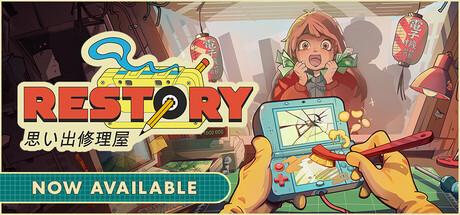
Mandragora's Y2K-era repair sim ReStory: Chill Electronics Repairs has crossed 500,000 copies sold, and the free content update the developer promised to mark the milestone is now live after a one-week delay. The Steam release, published by tinyBuild, launched on August 6 and has spent seven weeks climbing from a Next Fest curiosity into one of the year's quieter commercial surprises.
A Sleeper Hit's First Big Number
ReStory sold 100,000 copies in its first 24 hours and passed 300,000 within its debut week, figures the studio shared through its own Steam announcements at the time. Roughly six weeks later, Mandragora and tinyBuild confirmed the total had topped half a million units, a number the small studio called out directly on social media rather than folding into a broader recap. Reviewers have stayed kind to it in the meantime: the game holds an 89% recommendation rating on OpenCritic across 18 reviews, and outlets have taken to calling it a sleeper hit that recouped its development budget within 12 hours of release.
What the September 21 Update Adds
The free update was originally penciled in for September 14 but slipped a week so the team could finish the content attached to it, Mandragora said when it announced the delay. It finally shipped on September 21 with a new repairable device, a new customer to serve, and additional story content built around two returning faces: Kaito and Haruhi, now grown up into an actor and an engineer respectively. Their thread ties into a subplot involving a visiting "gamedev star," giving players who already finished the main story a reason to reopen a shop they may have closed out weeks ago.

Fixing Gadgets, Paying Off the Yakuza
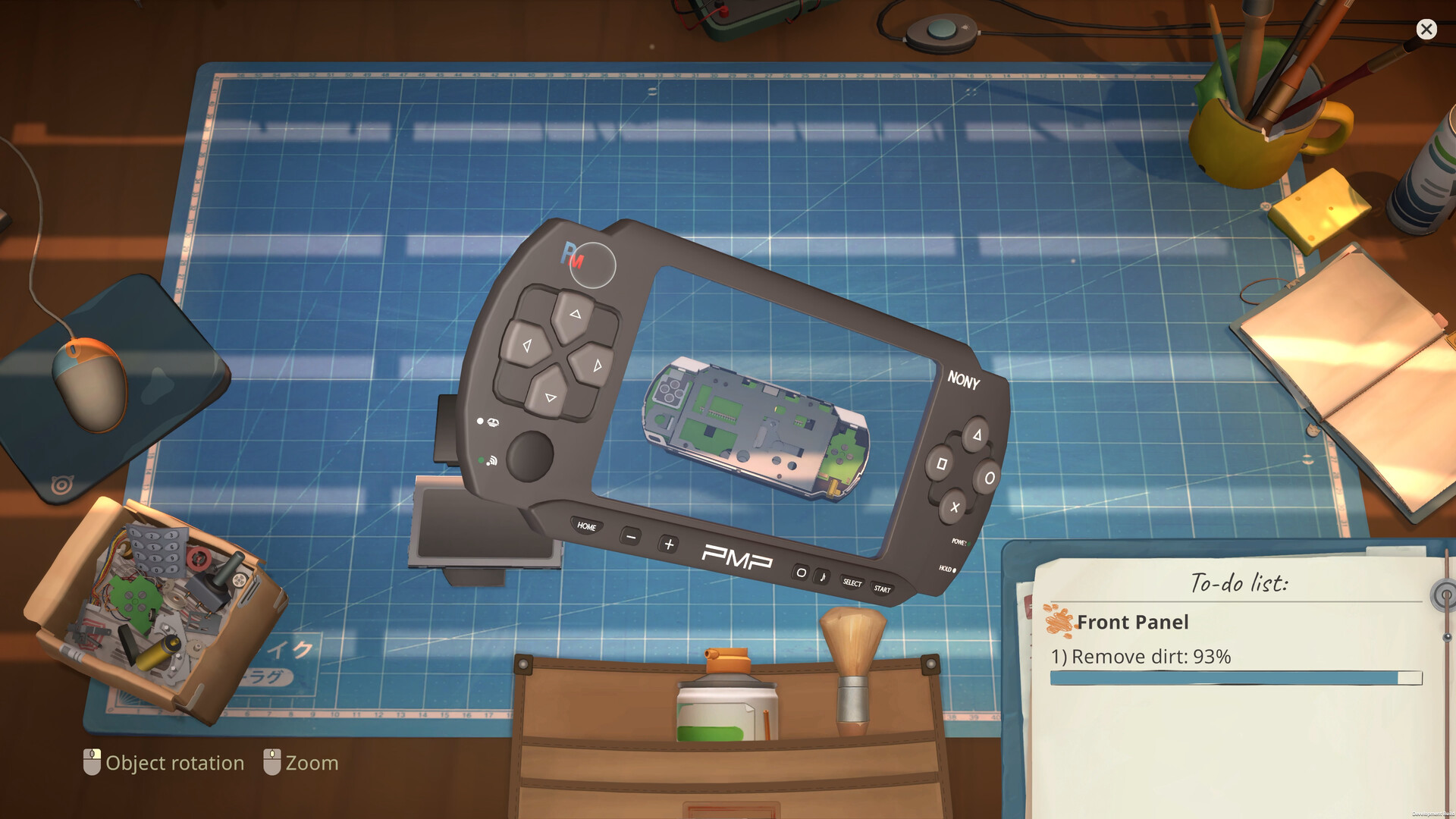
ReStory casts players as the new owner of an electronics repair counter in mid-2000s Akihabara, working through flip phones, portable music players, cameras and game consoles piece by piece: unscrewing housings, cleaning contacts, soldering boards and reassembling everything before handing it back to a customer. The cozy surface sits over a harder-edged structure than most shopkeeping sims attempt. Every completed job gets weighed against protection money, rent and utilities owed to a local yakuza outfit, and the small talk and choices players make with customers ripple outward into which of the game's several endings they eventually land on.
A Long Runway Before Launch
The half-million figure looks less like a fluke once the lead-up is accounted for. ReStory had banked more than 700,000 wishlists before release, and its demo ranked among Steam Next Fest's top 50 most-played titles while holding a 96% positive user rating during that event. Launching at $19.99 with a modest 10% discount, the game converted a sizable chunk of that wishlist and demo audience into day-one buyers, which is what produced the 100,000-copy opening day in the first place rather than a slow-building word-of-mouth climb.
The Studio Behind the Counter
Mandragora is a small, largely remote team whose prior releases include the survival roguelites SkyHill and SkyHill: Black Mist, along with the cozy apocalypse game I Am Future. ReStory is a sharp tonal turn from that back catalog, and studio director Evgeny Kisterev has framed the shift as personal rather than opportunistic. Its launch wasn't entirely clean, either: tinyBuild revoked 649 keys bought through grey-market resellers at cut-rate prices shortly after release, though customers who had purchased through Green Man Gaming were issued replacements rather than losing access to the game.
What's Next for the Shop
Neither Mandragora nor tinyBuild has detailed what comes after the Kaito and Haruhi content. Nothing about a second paid expansion, a console port or a sequel has been announced, so both remain speculation rather than plans at this point. For now, the studio is treating the September 21 update as a thank-you tied to a specific sales figure rather than the opening beat of a longer roadmap, and its patch history on Steam suggests it prefers shipping smaller, dated free drops over one large paid expansion down the line.
What is clear is that a solo-feeling repair counter has outsold plenty of games with far larger marketing budgets this year, on the strength of a premise that could have been a one-note gimmick. Players logging back in for the September update are effectively being asked to trust that the same restraint that made the base game work will carry over to whatever Mandragora ships next.
“ReStory is my nostalgia for a time when we shared polyphonic ringtones via infrared ports and rewound cassette tapes with a pencil.”Evgeny Kisterev, Mandragora Studio Director
FREE CONTENT UPDATE?! 💛🪛✨ To celebrate 500,000 copies sold, we’re releasing a FREE content update on September 21st! A brand-new character, a new device to repair, and more story content to tie it all together. Kaito and Haruhi are officially returning to ReStory!
— ReStory: Chill Electronics Repairs (@restorygame), September 14, 2026 on X
Official links
- Steam store page: ReStory: Chill Electronics Repairsstore.steampowered.com
- Mandragora Studio official sitemandragoragames.com
- tinyBuild games catalogtinybuild.com
- Wikipedia: ReStory: Chill Electronics Repairsen.wikipedia.org
- Official Steam patch notes: First Update is Live (1.0.009r)store.steampowered.com
Sam writes about small studios and the games they ship against the odds, and turns the hardest parts of them into guides that get to the point.