Arcane Ermine's Obstacle Overdrive Locks In an October 2 Steam Launch Date
Reno startup Arcane Ermine has confirmed October 2 for Obstacle Overdrive's Steam launch, a toy-car off-roading game staged inside a 1990s bedroom.
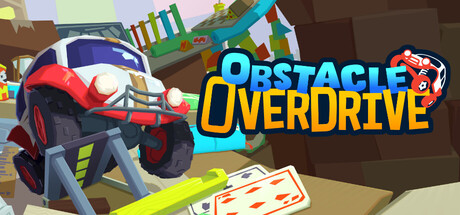
Arcane Ermine, a startup studio based in Reno, Nevada, has set an October 2 launch date on Steam for Obstacle Overdrive, a toy-car off-roading game built around the fantasy of turning a childhood bedroom into a death-defying racetrack. The studio confirmed the date alongside new footage at the PC Gaming Show, capping off a public Steam demo period that let players test the car-handling model ahead of release.
The pitch is disarmingly simple: five radio-controlled toy cars, a house full of obstacles built from keyboards, building blocks and plush animals, and a physics engine tuned for tumbling rather than lap times. Arcane Ermine is explicit that this is not a racing game in the traditional sense, and the studio has spent its wishlist-building period leaning into that distinction rather than away from it.
A course built from a childhood bedroom
Every track in Obstacle Overdrive is staged inside an oversized 1990s bedroom, with household objects standing in for racetrack terrain. Players tip over hills made of stacked books, bowl through pyramids of toys, cross seesaws built from rulers, and pick a line through marble pits, all scaled so that a six-inch RC car feels like it is tackling a genuine off-road course. The studio's own description leans on nostalgia for the era "before tech took over our lives," framing the game as a tribute to the kind of improvised play that didn't need a screen.
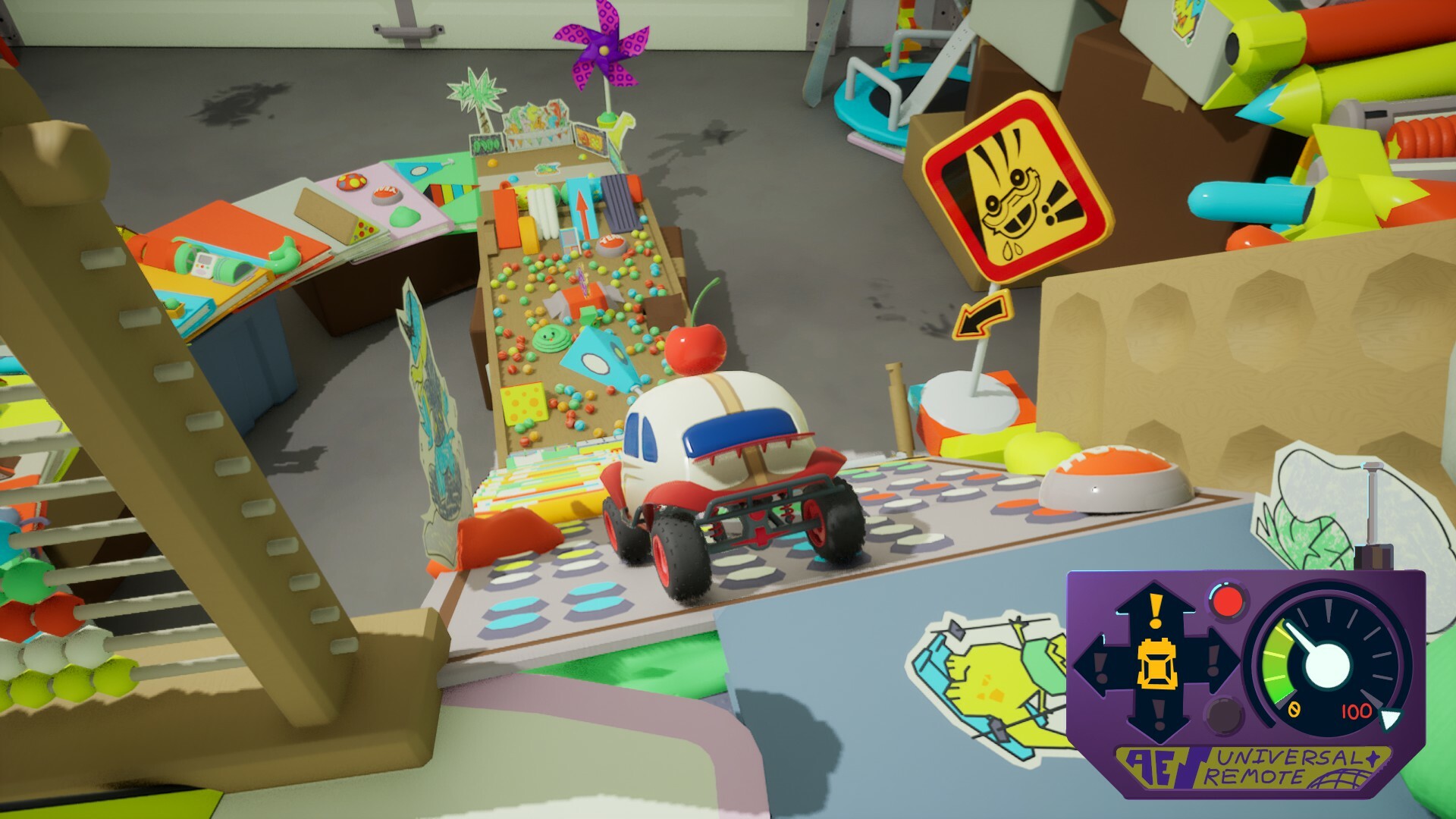
Five unlockable cars anchor the roster, each with its own handling profile. Arcane Ermine's design intent is for players to learn one car's quirks, clear a run, then start over with a completely different driving style on the next unlock, rather than simply chasing a faster vehicle. Steam Achievements track clears across the roster, and the studio has said internally that beating every level with every car is the game's real completion goal.
Built for Steam Deck first, not as an afterthought
Arcane Ermine says Steam Deck was the primary target platform from the start of development, not a late-stage port. That decision shapes the rest of the technical pitch: the team's internal testing goal was holding an average of 60 frames per second on most tracks on Valve's handheld, which in turn means the game runs comfortably on older desktop PCs that would otherwise struggle with a modern physics-driven title. Linux is not officially supported, but the studio has reported success running the game under Proton on multiple distributions.
On the Steam store page, the minimum PC specification asks for little more than a 64-bit Windows 10 machine with 8GB of RAM, DirectX 11 and 3GB of free storage, a notably light footprint for a physics sandbox with five fully modeled vehicles and destructible-feeling toy terrain.
Collecting hats and paint jobs between runs
Between obstacle courses, players can hunt down hidden hats scattered through each level and spend in-game coins on new paint jobs to personalize their fleet. It is a light customization loop rather than a progression system with stat upgrades, keeping the focus on handling and course mastery instead of gear grinding.
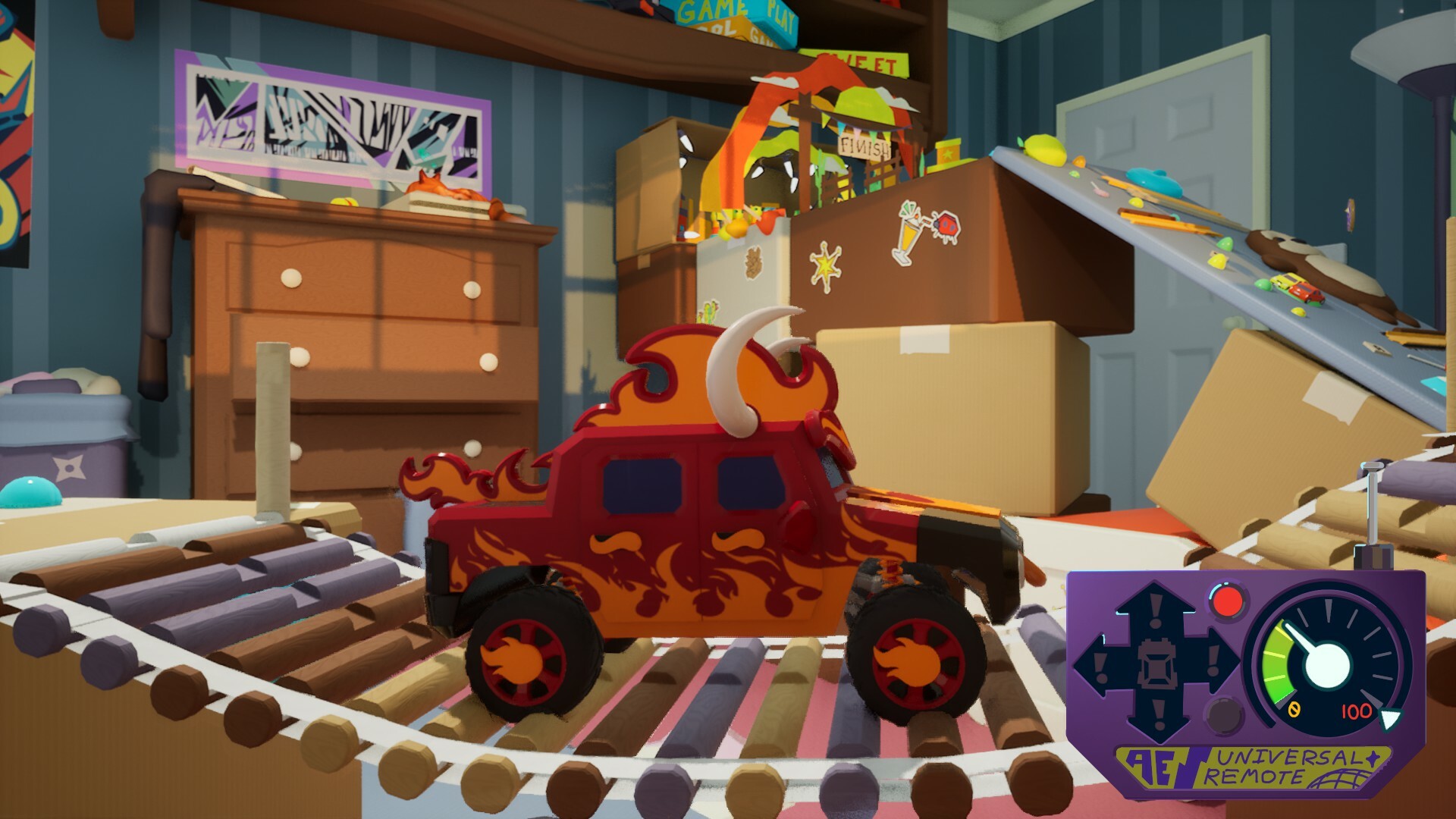
The studio has paired that structure with full controller support, including DualShock input, on the logic that a toy-car game should feel as tactile with a gamepad as it would with an actual RC remote.
A studio run by developers, not accountants
Arcane Ermine describes itself as independently funded and, in its own words, "a rarity among indie developers" for being run by game professionals rather than business staff making the creative calls. Obstacle Overdrive is the young studio's debut release, following a public demo on Steam that let players test the handling model and a handful of early courses ahead of launch.
That demo remains live on Steam for players who want to try the car-handling model before committing to the full release, and it has served as the studio's main feedback channel through its wishlist-building phase.
Where and when to play
Obstacle Overdrive launches on Steam for Windows PC on October 2, with full controller support and verified Steam Deck compatibility at launch. Arcane Ermine has not announced console ports. Pricing had not been published on the store page as of launch week, and the studio's channels point interested players toward the existing free demo in the meantime.
For a studio with one game to its name, landing a confirmed release date, a working Steam Deck build and real public demo feedback before day one is a tidy debut - and a useful case study in finishing a small, tightly scoped idea rather than chasing a bigger one.
Official links
Sam writes about small studios and the games they ship against the odds, and turns the hardest parts of them into guides that get to the point.