Nintendo's Switch 2 Hardware Sales Slow 37% as Operating Profit Jumps 49%
Nintendo's half-year results show Switch 2 hardware sales down 37.4% to 6.49 million units, while software and digital sales push operating profit up 49.1%.
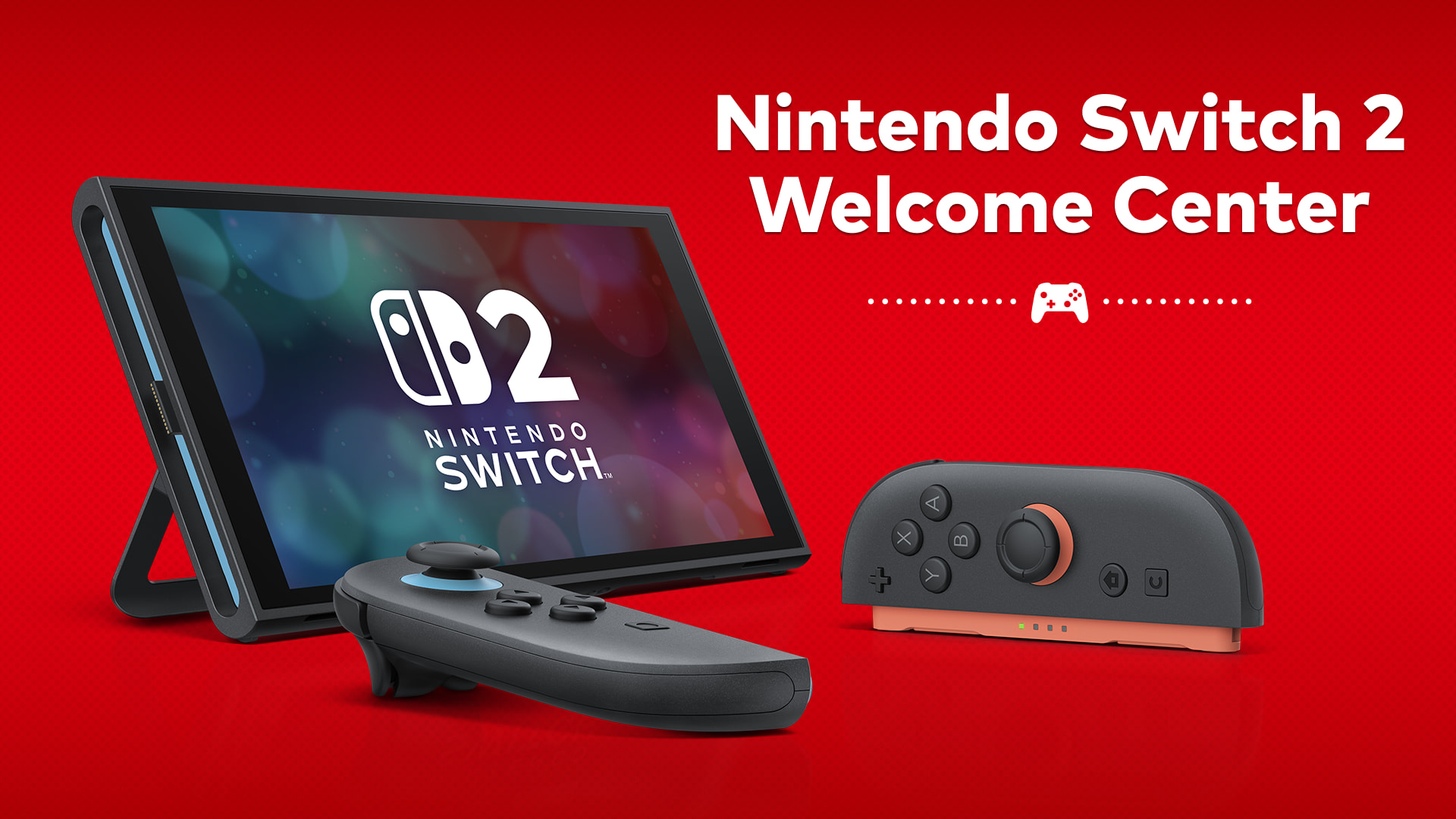
Nintendo's first full half-year of Nintendo Switch 2's second year on the market closed with a split scorecard: hardware sales fell sharply, while the company's bottom line grew faster than it has in years. In the financial results Nintendo filed on November 5 for the six months ended September 30, 2026, net sales dropped 12.1% year-on-year to 966.0 billion yen, even as operating profit climbed 49.1% to 216.5 billion yen.
Hardware Cools as the Launch Wave Fades
Switch 2 hardware sell-in reached 6.49 million units in the April-to-September half, down 37.4% from the 10.36 million units Nintendo moved in the same stretch a year earlier, when the console was still riding its June 2025 launch window. The original Nintendo Switch slipped further, down 32.7% to 1.27 million units, as the eight-year-old system winds toward the end of its commercial life. Nintendo's own commentary, filed alongside the numbers, frames the drop as an expected comedown from a historic opening year rather than a demand problem: "Although unit sales of Nintendo Switch 2 hardware declined compared to the same period of last fiscal year, many consumers continued to adopt the system, spurred on by factors like the release of new titles."
Three Switch 2 Hits Keep Software Climbing
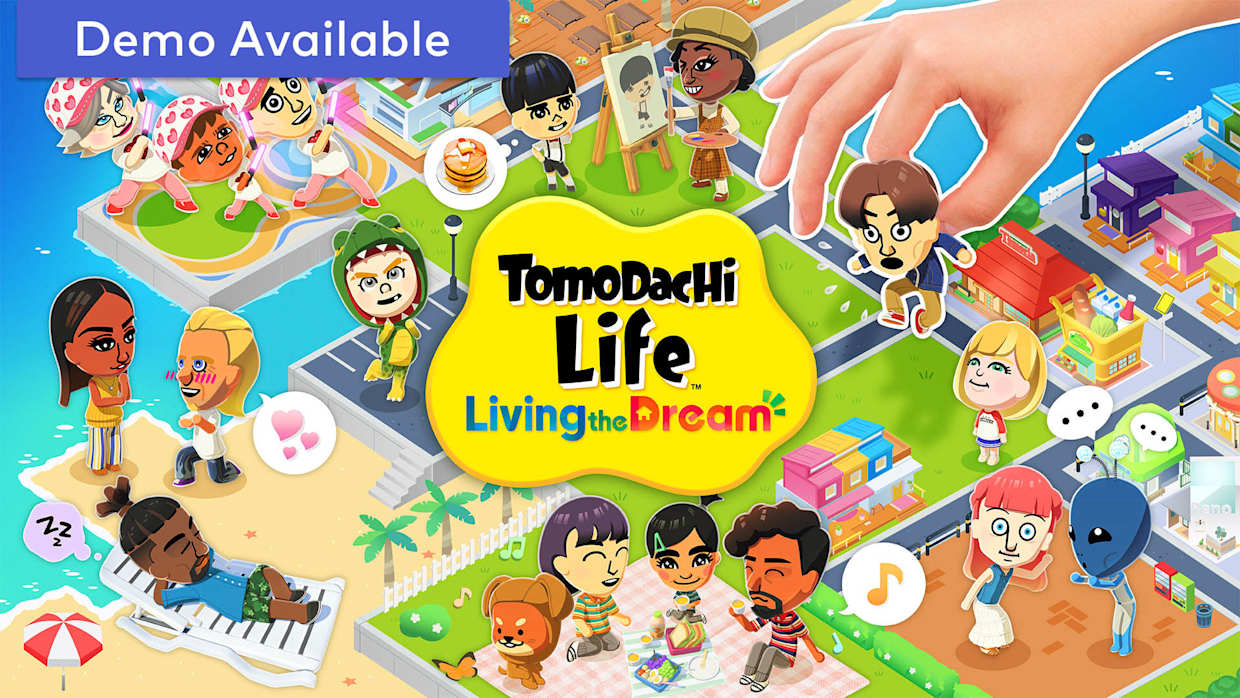
Software moved in the opposite direction. Switch 2 software sell-through rose 18.8% to 24.49 million units, according to the explanatory material Nintendo released with the results. Tomodachi Life: Living the Dream led the half with 8.81 million units sold, well ahead of Rhythm Heaven Groove's 2.89 million and Splatoon Raiders' 2.42 million. Mario Kart World, which launched during the prior fiscal year, kept selling steadily too, adding another 1.78 million units in the period. Original Switch software grew as well, up 6.8% to 65.73 million units, a sign that Nintendo's older install base is still buying games even as its hardware sales taper off.
Digital's Share of the Business Keeps Growing
Digital sales rose 60.5% year-on-year to 249.6 billion yen, pushing the digital share of total software revenue to 60.7%, up 6.2 percentage points from the same half last year. Nintendo attributed the jump partly to more players buying download versions of packaged games and partly to continued yen weakness inflating overseas digital receipts when converted back to yen. Digital sales have now outgrown physical sales for two consecutive half-years, a shift that continues to reshape how much of Nintendo's software revenue it keeps directly rather than splitting with retailers.
The Full-Year Forecast Holds Steady
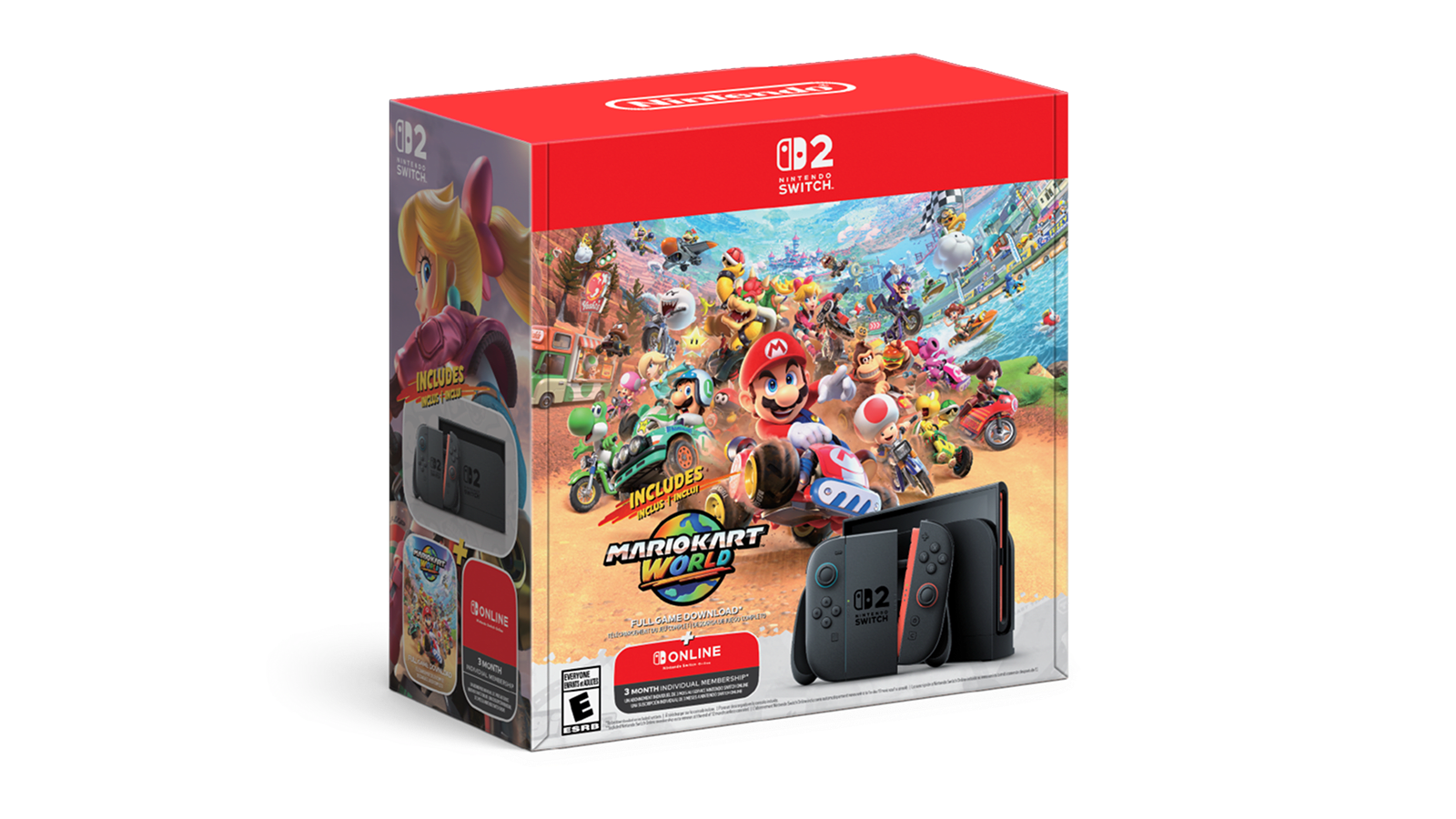
Despite the steep hardware decline, Nintendo left its outlook for the fiscal year ending March 31, 2027 untouched, marking its results filing "not applicable" for forecast revisions. The company still expects to sell 16.50 million Nintendo Switch 2 consoles for the full fiscal year, 16.9% fewer than the 19.86 million units it shipped in the system's first full fiscal year, and 105 million units of Switch 2 software, down 23.3% from that same prior-year total. Full-year net sales are forecast at 2.05 trillion yen, down 11.4%, while operating profit is projected at 370 billion yen, up 2.7%.
What It Means for Switch 2's Second Year
Read together, the numbers describe a platform settling into a steadier, more software-driven rhythm after an unusually strong debut year rather than one losing momentum. A lineup anchored by Tomodachi Life: Living the Dream and Rhythm Heaven Groove, plus a second half of the fiscal year that still has The Legend of Zelda: Ocarina of Time, Pikmin 4's Switch 2 Edition and Xenoblade Chronicles 3's Switch 2 Edition still to ship, gives Nintendo reason to keep its unchanged forecast rather than chase the console's launch-year pace. For a hybrid system already past the point where year-over-year hardware comparisons get harder every quarter, an unrevised full-year target is itself a vote of confidence that the back half of the fiscal year can make up the gap through software and digital spending rather than new hardware converts.
Official links
Theo covers the business of games for Gamers6: studio moves, platform strategy and the press releases nobody else finishes reading. He files most days before the coffee is cold.